Quiz it-gets-complicated
Last Updated:
history
/ 10
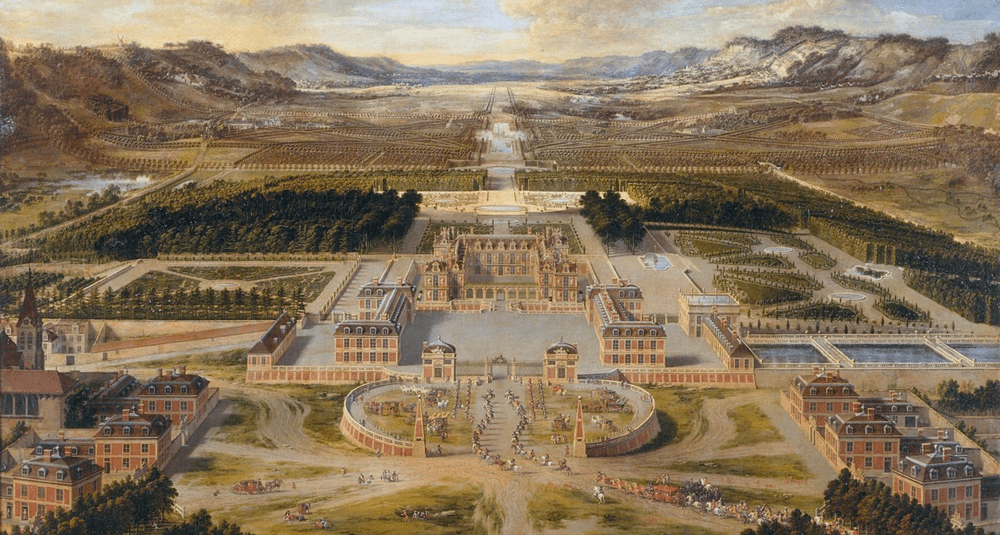
When did Louis XIV and his court reside at the Château de Versailles?
11682
21789

🙌 Good answer
The Palace of Versailles is a French castle and historical monument. It was the residence of the French kings Louis XIV, Louis XV and Louis XVI. The king and the court resided there permanently from May 6, 1682 to October 6, 1789.
Next question
😞 Wrong answer
The Palace of Versailles is a French castle and historical monument. It was the residence of the French kings Louis XIV, Louis XV and Louis XVI. The king and the court resided there permanently from May 6, 1682 to October 6, 1789.
Next question
arts
/ 10
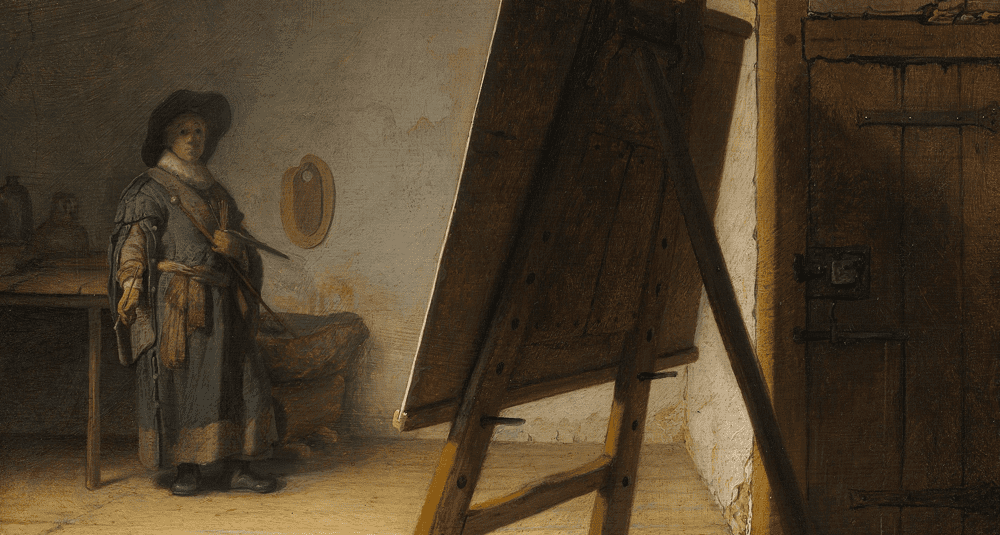
When did Rembrandt paint The Artist in his Studio?
11628
21638
🙌 Good answer
The Artist in his Studio is a painting made by Rembrandt in 1628. It is kept at the Museum of Fine Arts in Boston.
Next question
😞 Wrong answer
The Artist in his Studio is a painting made by Rembrandt in 1628. It is kept at the Museum of Fine Arts in Boston.
Next question
arts
/ 10
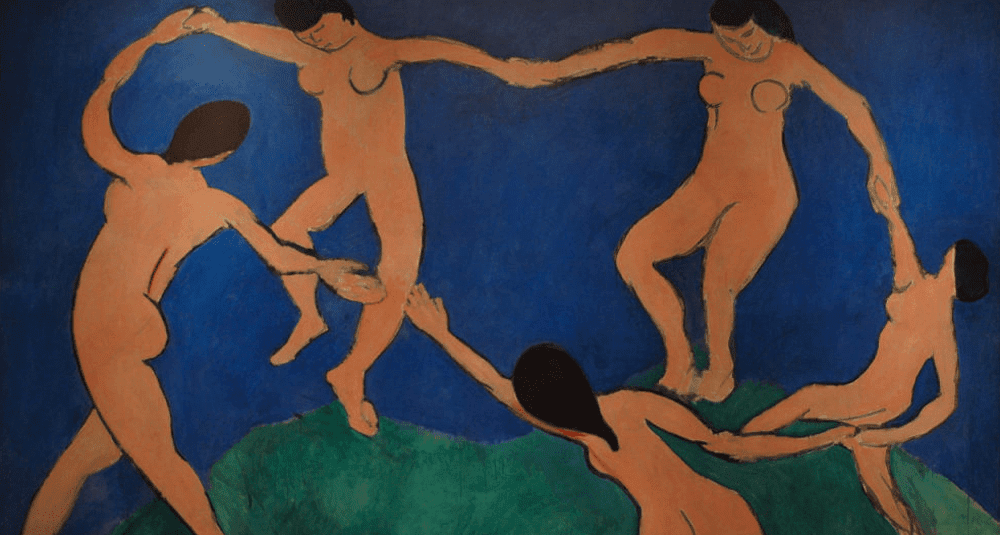
Where is exhibited the work Danse I painted by the French artist Henri Matisse in 1909?
1MoMA, New York
2Hermitage Museum, Saint Petersburg
🙌 Good answer
Dance I is a painting made by Henri Matisse in 1909 in Paris and currently on display at the Museum of Modern Art in New York.
Next question
😞 Wrong answer
Dance I is a painting made by Henri Matisse in 1909 in Paris and currently on display at the Museum of Modern Art in New York.
Next question
nature
/ 10
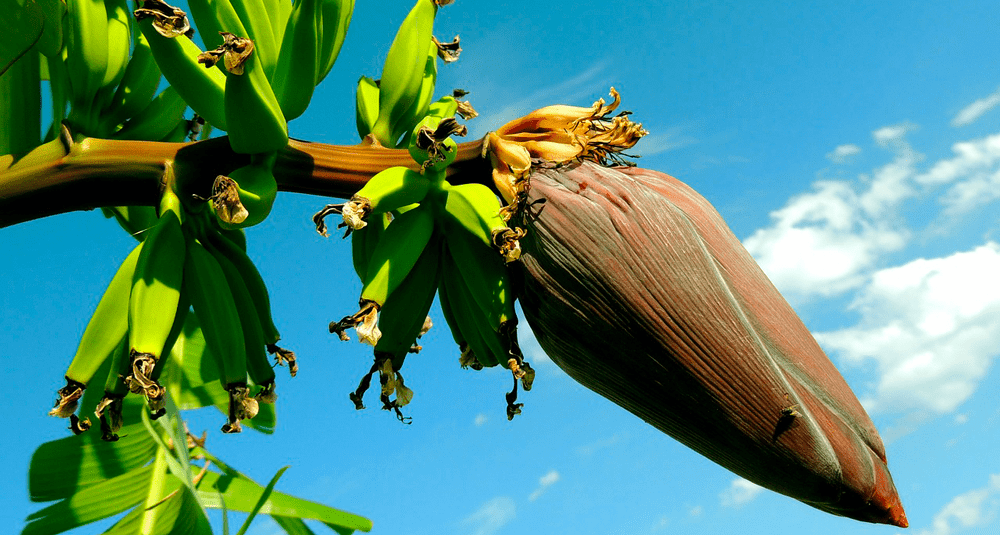
Are banana plants trees?
2No
1Yes
🙌 Good answer
Banana plants are not trees. They are giant herbaceous plants belonging to the Musa genus. Their trunk is in fact a pseudo-trunk formed by rolled-up leaves.
Next question
😞 Wrong answer
Banana plants are not trees. They are giant herbaceous plants belonging to the Musa genus. Their trunk is in fact a pseudo-trunk formed by rolled-up leaves.
Next question
geography
/ 10
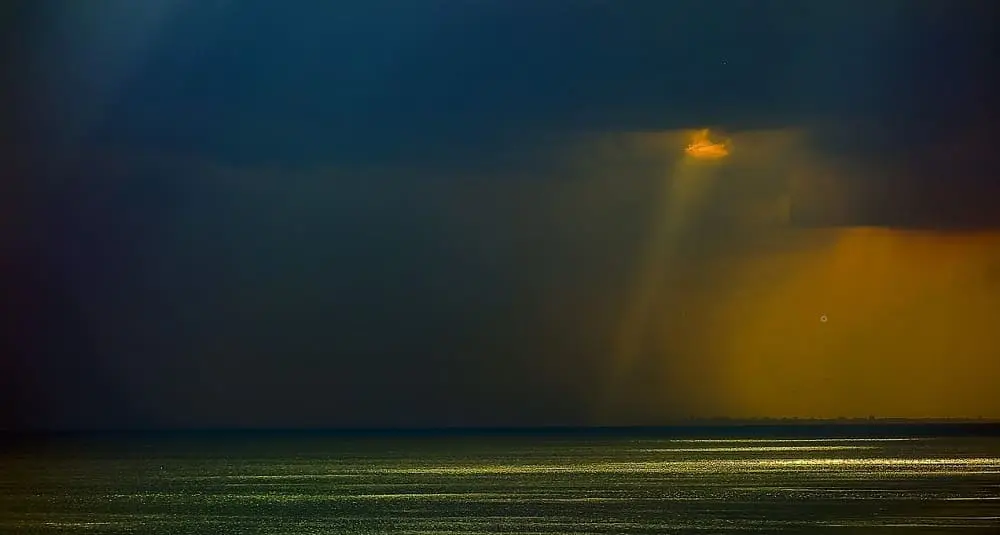
Why is the Black Sea called the Black Sea?
2Turko-Mongolian tradition
1Black algae
🙌 Good answer
The Black Sea owes its name to a Turco-Mongolian tradition associating black with the north. Located to the north of Turkey, it was named the Black Sea.
Next question
😞 Wrong answer
The Black Sea owes its name to a Turco-Mongolian tradition associating black with the north. Located to the north of Turkey, it was named the Black Sea.
Next question
nature
/ 10
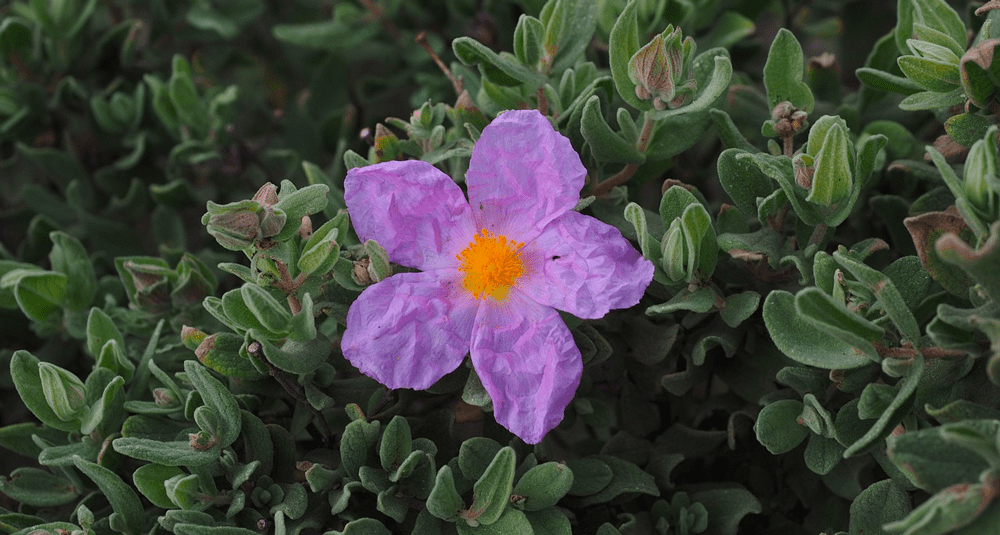
What is the flowering period of cistus?
1April-June
2September-October
🙌 Good answer
Cistus generally flower in spring, between April and June, in the Mediterranean regions where they are mainly found.
Next question
😞 Wrong answer
Cistus generally flower in spring, between April and June, in the Mediterranean regions where they are mainly found.
Next question
geography
/ 10
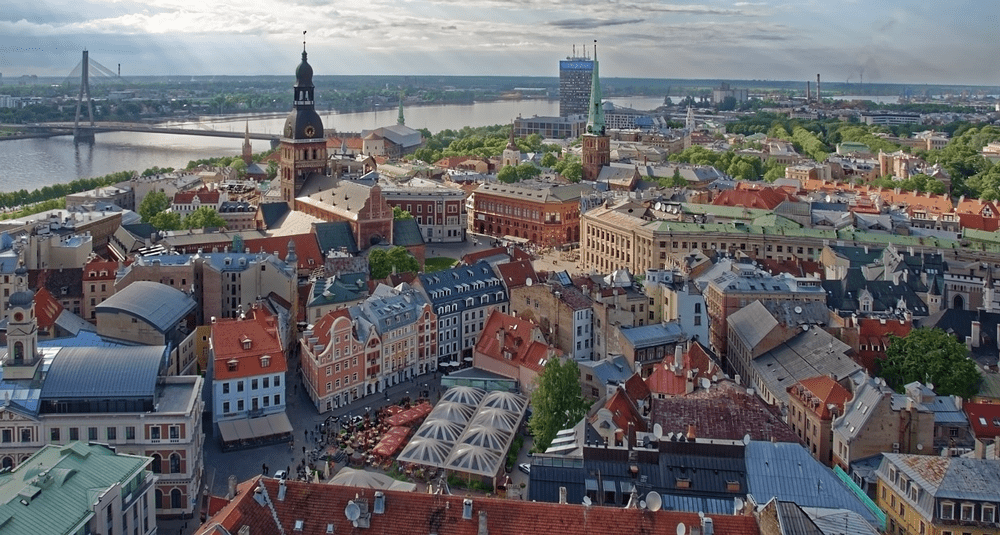
What is the capital of Latvia?
1Riga
2Vilnius
🙌 Good answer
Latvia's capital is Riga. Situated on the banks of the Daugava River, Riga is known for its historic center, Art Nouveau architecture and vibrant culture.
Next question
😞 Wrong answer
Latvia's capital is Riga. Situated on the banks of the Daugava River, Riga is known for its historic center, Art Nouveau architecture and vibrant culture.
Next question
geography
/ 10
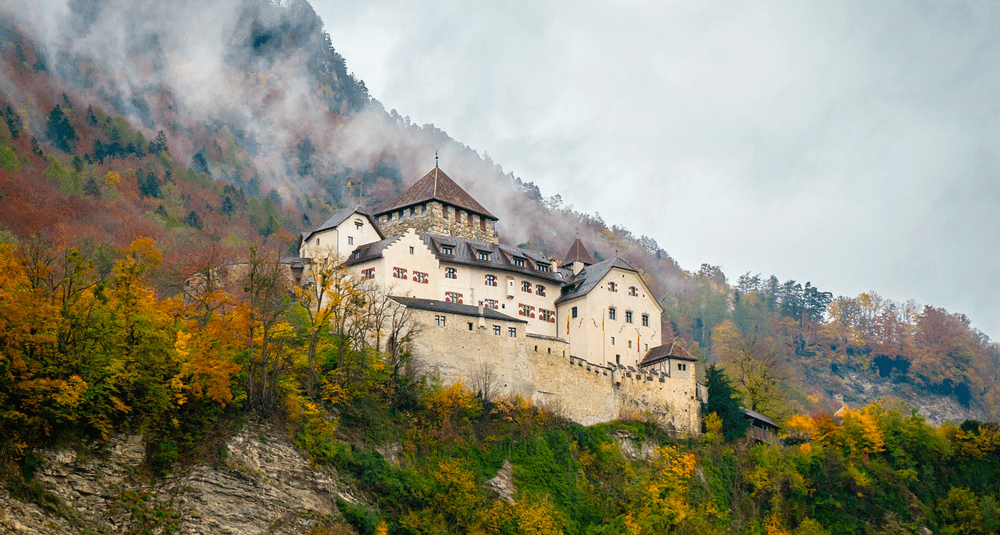
What is the capital of Liechtenstein?
2Vaduz
1Liechtenstein
🙌 Good answer
The capital of Liechtenstein is Vaduz. Situated on the banks of the Rhine, it is the principality's political and cultural center, albeit sparsely populated.
Next question
😞 Wrong answer
The capital of Liechtenstein is Vaduz. Situated on the banks of the Rhine, it is the principality's political and cultural center, albeit sparsely populated.
Next question
history
/ 10
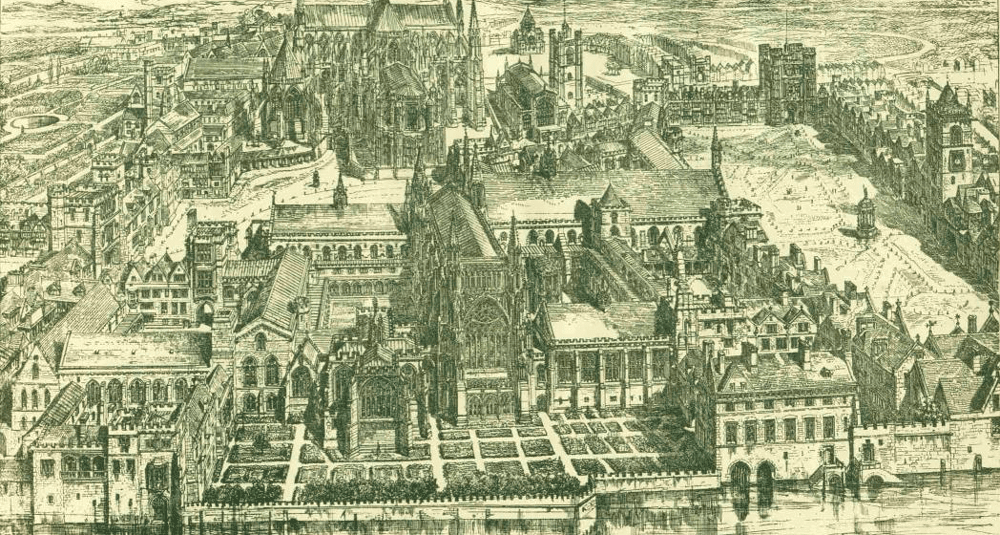
Which English king passed the Habeas Corpus Act of 1679?
1Charles II
2Jacques II
🙌 Good answer
The Habeas Corpus Act of 1679 was passed during the reign of King Charles II of England.
Next question
😞 Wrong answer
The Habeas Corpus Act of 1679 was passed during the reign of King Charles II of England.
Next question
sciences
/ 10
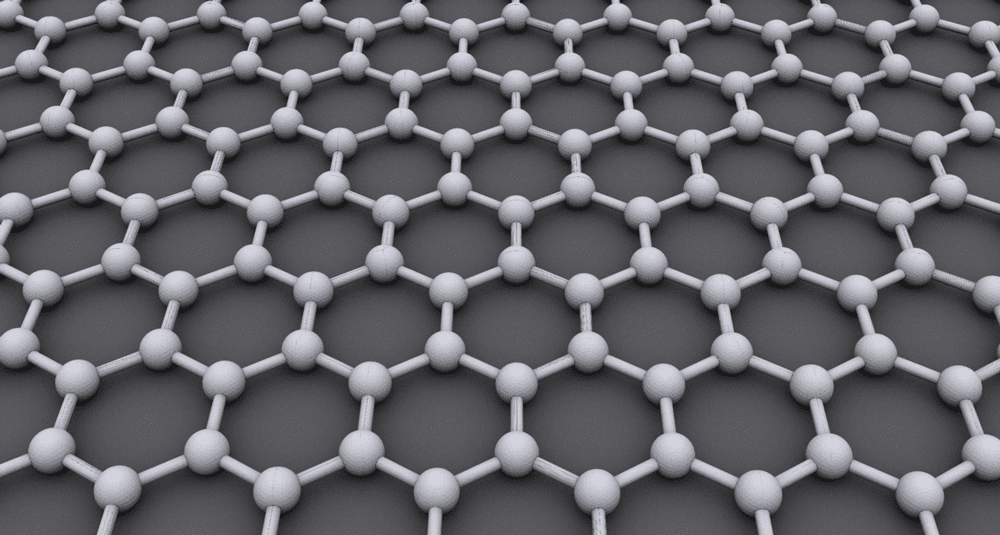
Which property of the Graphene was discovered in 2004 by Andre Geim and Konstantin Novoselov?
1Electrical conductivity
2Magnetic permeability
🙌 Good answer
In 2004, Andre Geim and Konstantin Novoselov discovered that graphene has incredible electrical conductivity, yet is extremely thin and strong.
Next question
😞 Wrong answer
In 2004, Andre Geim and Konstantin Novoselov discovered that graphene has incredible electrical conductivity, yet is extremely thin and strong.
Next question


