Quiz not-so-hard
Last Updated:
entertainment
/ 10
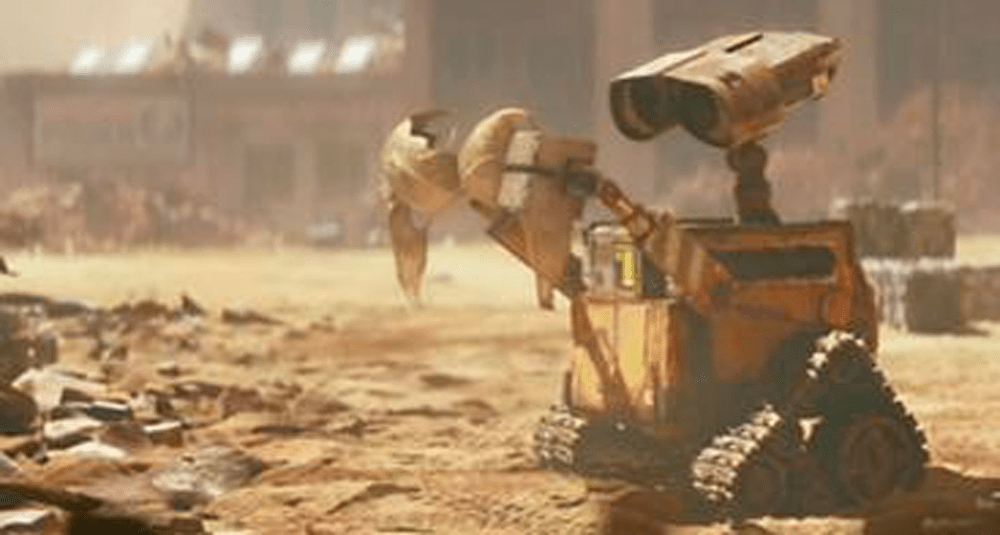
What is the production company of the American animated film WALL-E?
1Pixar Animation Studios
2Walt Disney Animation Studios

🙌 Good answer
The production company for the American animated film WALL-E is Pixar Animation Studios. Released in 2008, WALL-E is also distributed by Walt Disney Pictures.
Next question
😞 Wrong answer
The production company for the American animated film WALL-E is Pixar Animation Studios. Released in 2008, WALL-E is also distributed by Walt Disney Pictures.
Next question
history
/ 10
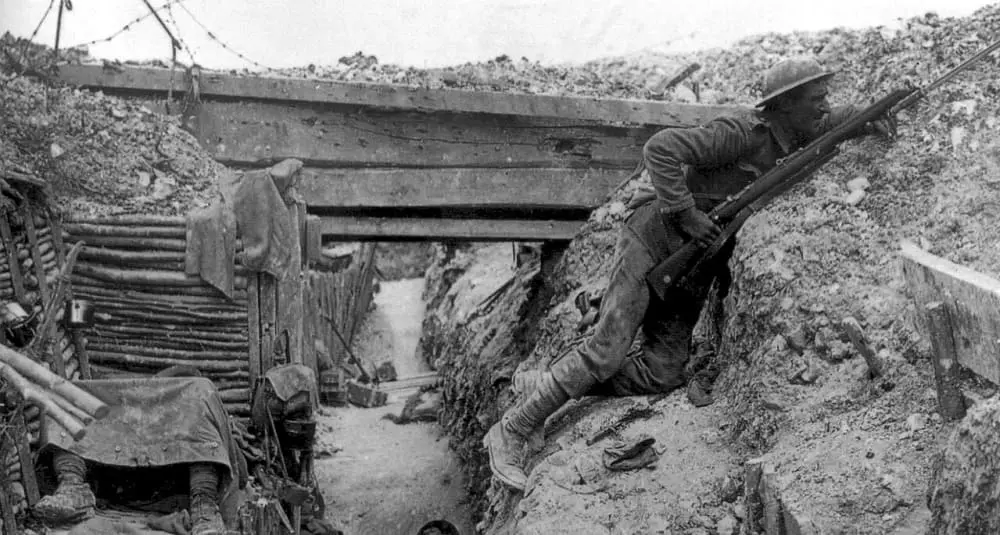
Which countries are part of the Triple Alliance?
2Germany, Austria-Hungary and Italy
1France, United Kingdom and Russia
🙌 Good answer
The Triple Alliance comprised Germany, Austria-Hungary and Italy, united by a defensive military treaty signed in 1882 and active until 1915.
Next question
😞 Wrong answer
The Triple Alliance comprised Germany, Austria-Hungary and Italy, united by a defensive military treaty signed in 1882 and active until 1915.
Next question
geography
/ 10
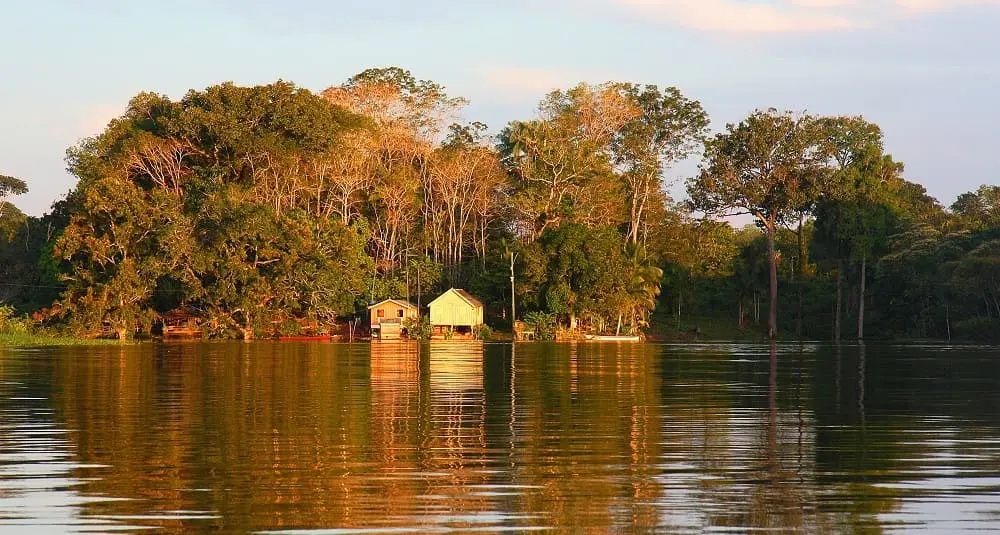
Where does the Amazon River rise?
2Peru
1Bolivia
🙌 Good answer
The Amazon River rises in the foothills of the Andes, in the Nevado Mismi mountains in the Arequipa region of Peru.
Next question
😞 Wrong answer
The Amazon River rises in the foothills of the Andes, in the Nevado Mismi mountains in the Arequipa region of Peru.
Next question
music
/ 10
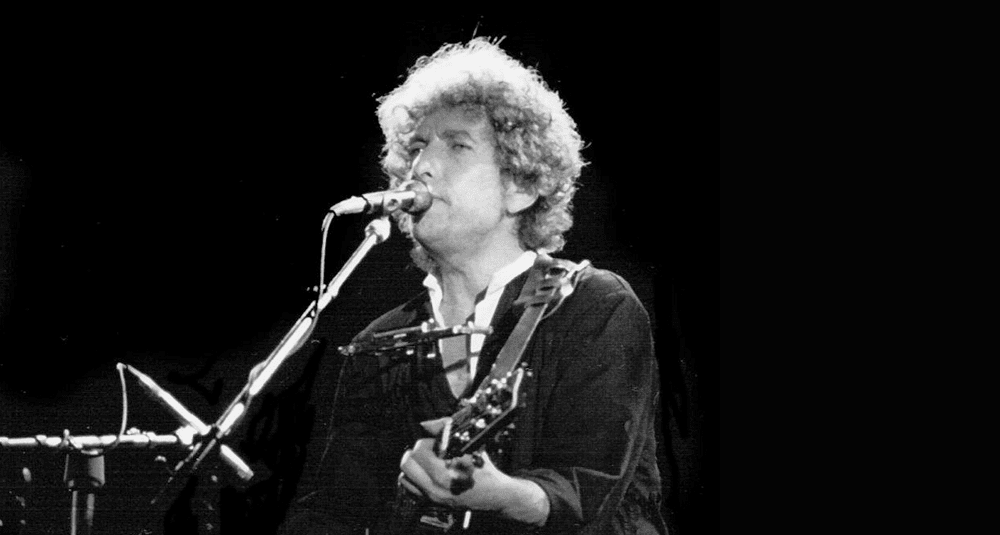
What is Bob Dylan's real name?
2Robert Allen Zimmerman
1Robert Clark Seger
🙌 Good answer
Bob Dylan, born Robert Allen Zimmerman on May 24, 1941 in Duluth, Minnesota, is an American singer-songwriter, musician, painter and poet. He is one of the major figures of Western popular music.
Next question
😞 Wrong answer
Bob Dylan, born Robert Allen Zimmerman on May 24, 1941 in Duluth, Minnesota, is an American singer-songwriter, musician, painter and poet. He is one of the major figures of Western popular music.
Next question
nature
/ 10

How many humps does a camel have?
22
11
🙌 Good answer
Camels have two humps, while dromedaries have only one, they are energy reserves full of fat.
Next question
😞 Wrong answer
Camels have two humps, while dromedaries have only one, they are energy reserves full of fat.
Next question
entertainment
/ 10
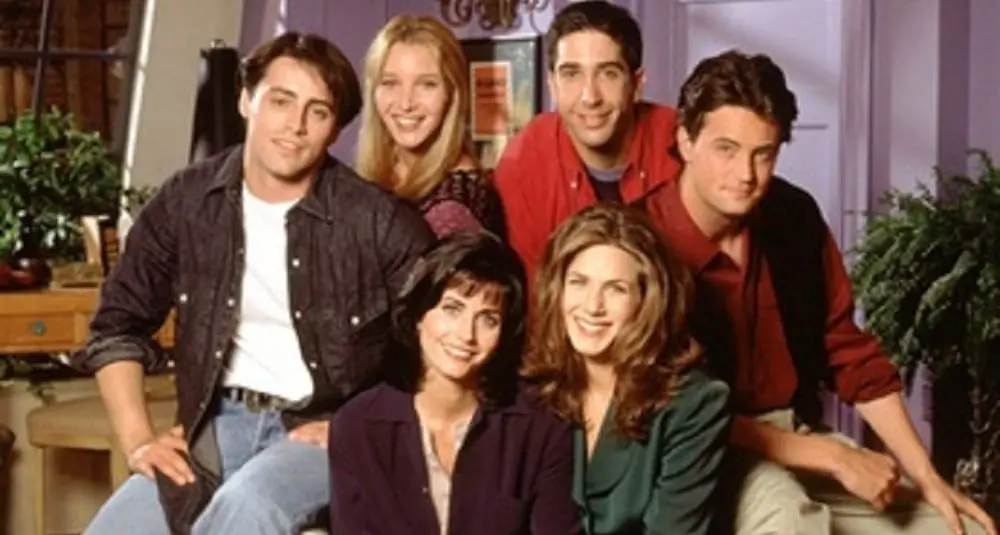
Are Ross and Rachel getting married?
1Yes
2No
🙌 Good answer
Ross and Rachel marry briefly in Las Vegas in Friends, but this impulsive marriage ends in an annulment soon after.
Next question
😞 Wrong answer
Ross and Rachel marry briefly in Las Vegas in Friends, but this impulsive marriage ends in an annulment soon after.
Next question
history
/ 10
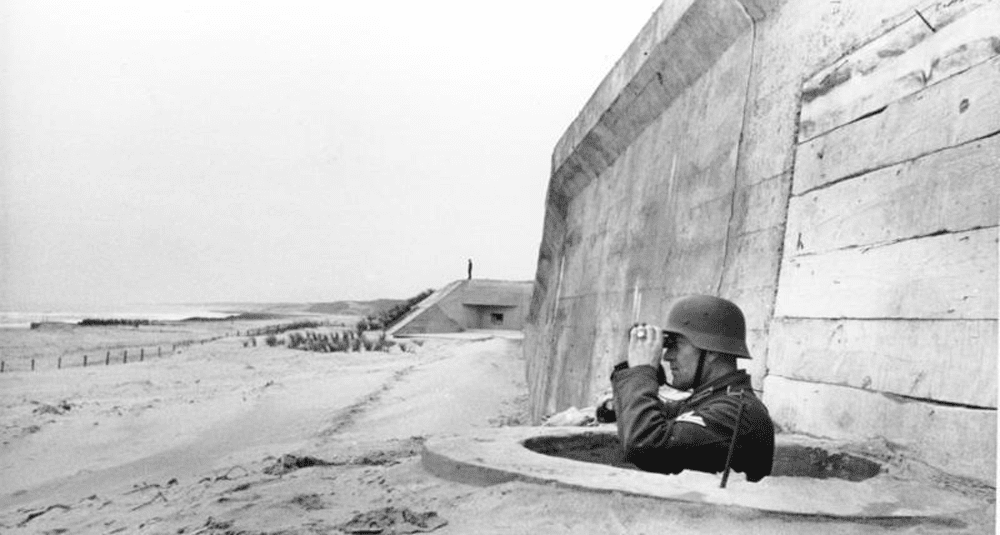
What is the name of the system of fortifications built by the Third Reich in 1942?
1Atlantic Wall
2Maginot Line
🙌 Good answer
The Atlantic Wall is a series of coastal fortifications built by the Third Reich in 1942 to defend Europe against the Allied landings.
Next question
😞 Wrong answer
The Atlantic Wall is a series of coastal fortifications built by the Third Reich in 1942 to defend Europe against the Allied landings.
Next question
nature
/ 10
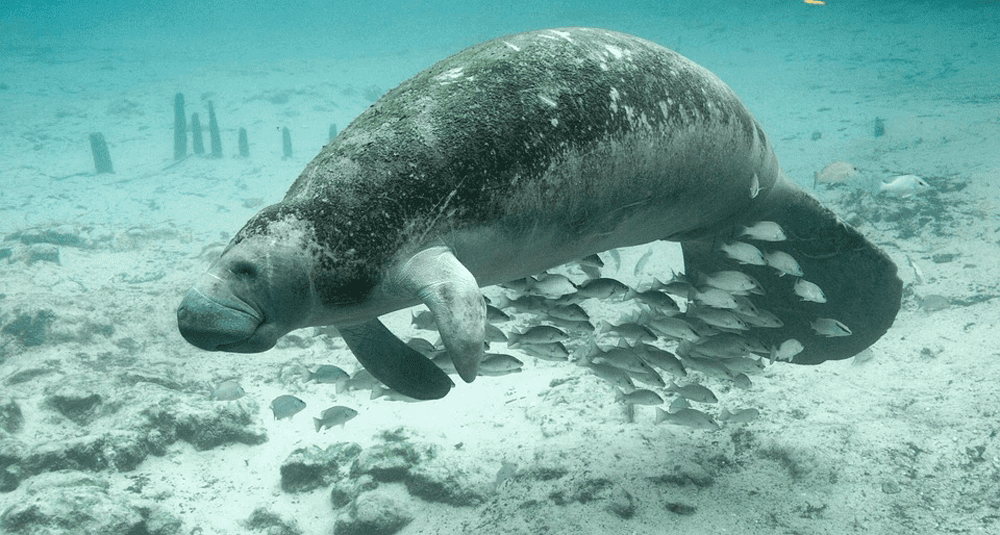
Are manatees carnivorous or herbivorous?
2Herbivorous
1Carnivorous
🙌 Good answer
Manatees are herbivores. They feed mainly on aquatic plants, consuming sea grasses and floating vegetation as part of their diet.
Next question
😞 Wrong answer
Manatees are herbivores. They feed mainly on aquatic plants, consuming sea grasses and floating vegetation as part of their diet.
Next question
entertainment
/ 10
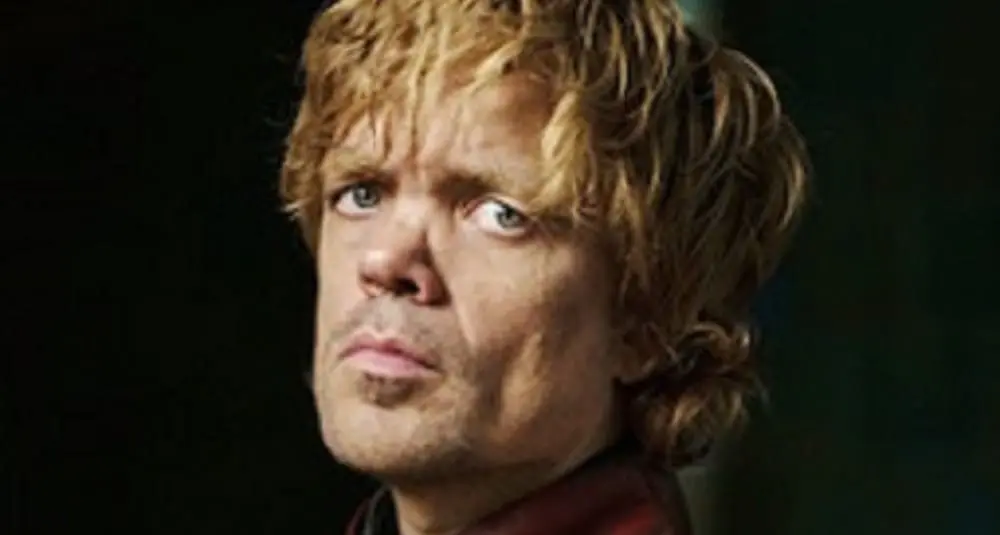
Which actor plays Tyrion Lannister in the TV series Game of Thrones?
2Peter Dinklage
1Aidan Gillen
🙌 Good answer
Peter Dinklage plays Tyrion Lannister in the Game of Thrones series. His interpretation of this complex character has been widely acclaimed and rewarded.
Next question
😞 Wrong answer
Peter Dinklage plays Tyrion Lannister in the Game of Thrones series. His interpretation of this complex character has been widely acclaimed and rewarded.
Next question
geography
/ 10
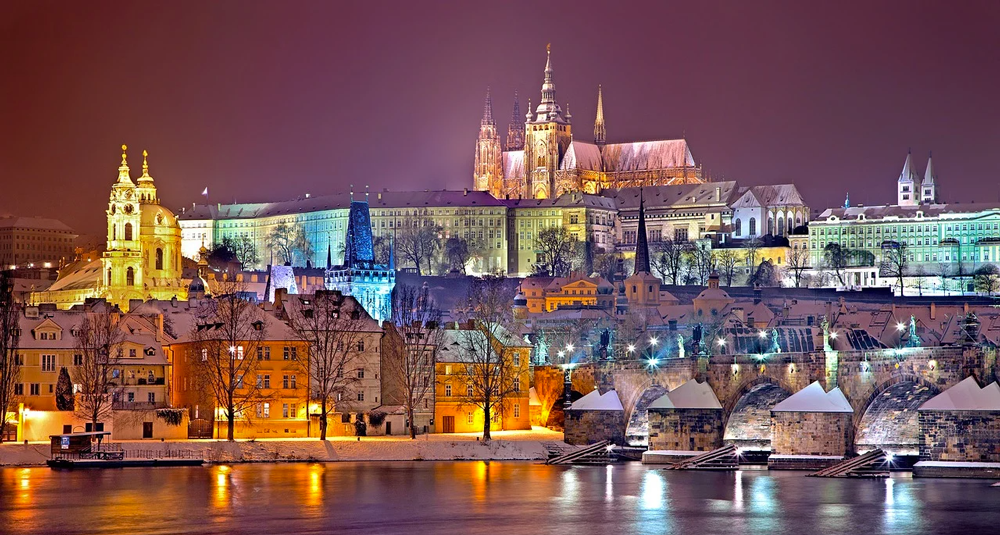
What is the capital of the Czech Republic?
2Prague
1Bratislava
🙌 Good answer
The capital of the Czech Republic is Prague. This historic city is known for its medieval architecture, bridges and rich cultural heritage.
Next question
😞 Wrong answer
The capital of the Czech Republic is Prague. This historic city is known for its medieval architecture, bridges and rich cultural heritage.
Next question


