Quiz not-so-hard
Last Updated:
entertainment
/ 10

Which actress played Rachel Green in the TV series Friends?
2Jennifer Aniston
1Courteney Cox

🙌 Good answer
Jennifer Aniston played Rachel Green in the TV series Friends, which ran from 1994 to 2004.
Next question
😞 Wrong answer
Jennifer Aniston played Rachel Green in the TV series Friends, which ran from 1994 to 2004.
Next question
entertainment
/ 10
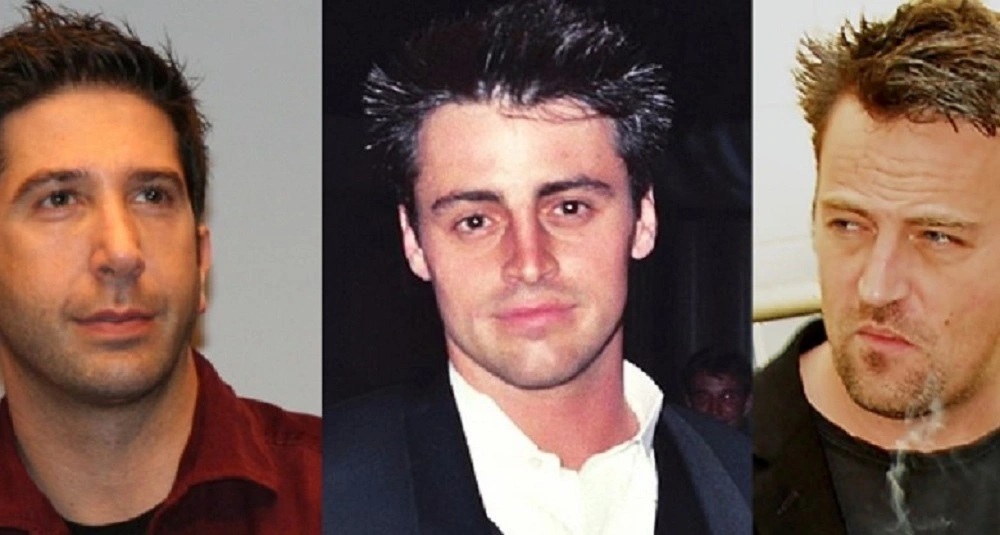
Which actor played Ross Geller in the TV series Friends?
2David Schwimmer
1Matthew Perry
🙌 Good answer
David Schwimmer plays Ross Geller in the TV series Friends, which ran from 1994 to 2004.
Next question
😞 Wrong answer
David Schwimmer plays Ross Geller in the TV series Friends, which ran from 1994 to 2004.
Next question
arts
/ 10

Who painted The Raft of the Medusa in 1818-1819?
2Théodore Géricault
1Eugène Delacroix
🙌 Good answer
French artist Théodore Géricault painted The Raft of the Medusa in 1818-1819. This dramatic work, depicting a tragic shipwreck, is one of the masterpieces of Romanticism.
Next question
😞 Wrong answer
French artist Théodore Géricault painted The Raft of the Medusa in 1818-1819. This dramatic work, depicting a tragic shipwreck, is one of the masterpieces of Romanticism.
Next question
history
/ 10
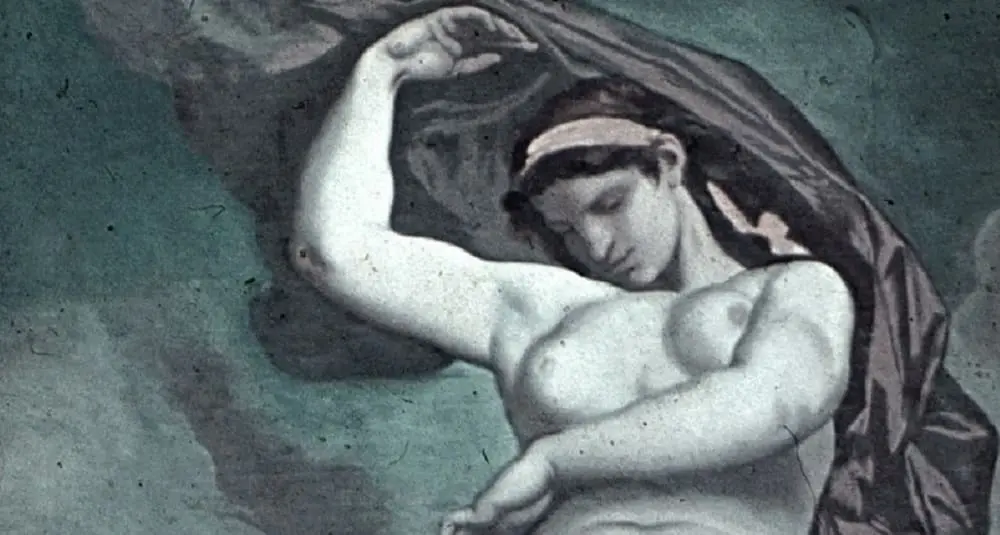
What is the symbol of Gaia?
1Earth
2Sea
🙌 Good answer
In Greek mythology, Gaia, the primordial goddess of the Earth, is often depicted with the Earth, a tree or ears of wheat, symbols of fertility and life.
Next question
😞 Wrong answer
In Greek mythology, Gaia, the primordial goddess of the Earth, is often depicted with the Earth, a tree or ears of wheat, symbols of fertility and life.
Next question
history
/ 10
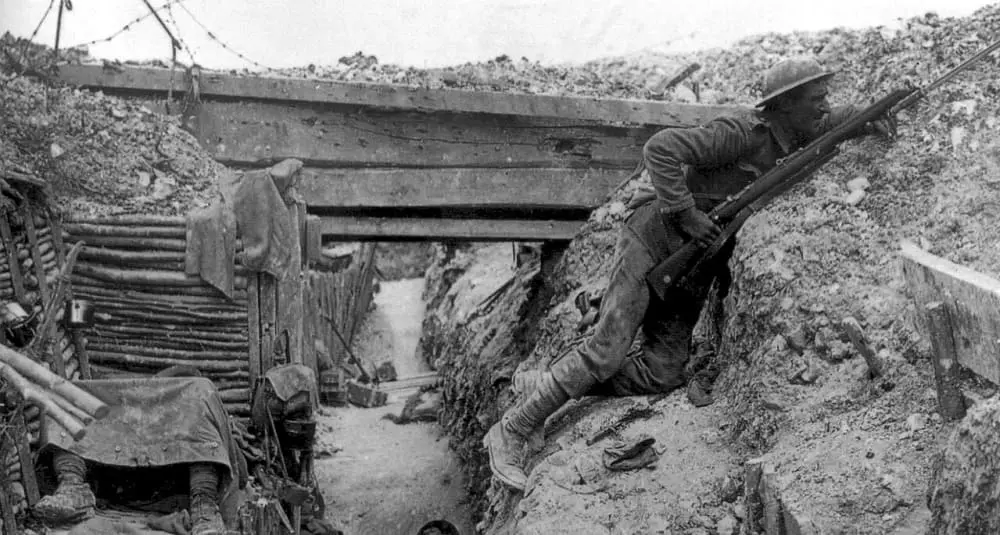
Which countries are part of the Triple Entente?
2France, United Kingdom and Russia
1Germany, Austria-Hungary and Italy
🙌 Good answer
The Triple Entente consisted of France, the UK and Russia, allied before 1914 to counter the rise of the Triple Alliance powers.
Next question
😞 Wrong answer
The Triple Entente consisted of France, the UK and Russia, allied before 1914 to counter the rise of the Triple Alliance powers.
Next question
geography
/ 10

Which city in Jordan has been a UNESCO World Heritage Site since 1985?
2Petra
1Nineveh
🙌 Good answer
The city of Petra in Jordan has been a UNESCO World Heritage Site since December 6, 1985. It is famous for its rock-cut façades.
Next question
😞 Wrong answer
The city of Petra in Jordan has been a UNESCO World Heritage Site since December 6, 1985. It is famous for its rock-cut façades.
Next question
history
/ 10
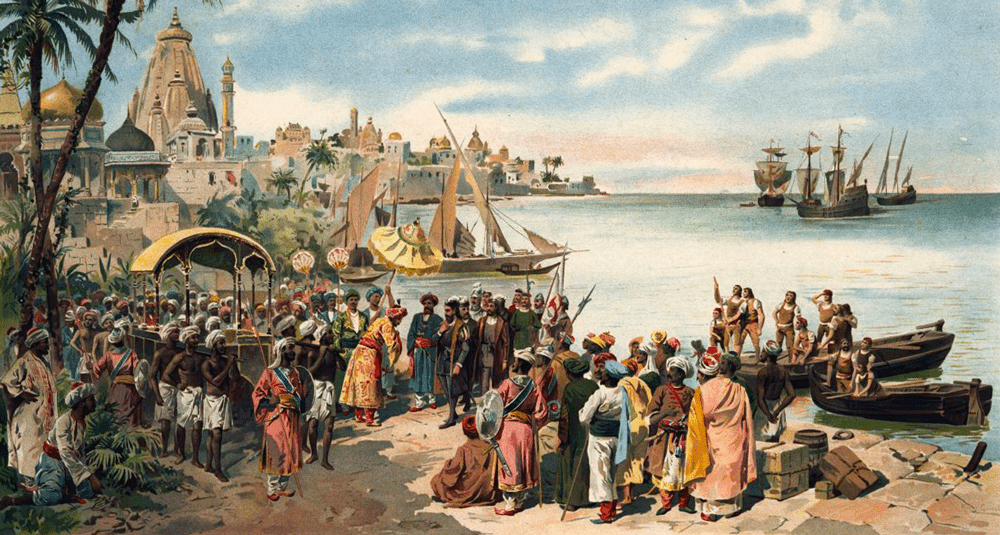
What is the country of origin of the navigator Vasco da Gama?
2Portugal
1Italy
🙌 Good answer
The navigator Vasco de Gama was a native of Portugal. He is famous for being the first European to reach India by sea, bypassing Africa, in 1498.
Next question
😞 Wrong answer
The navigator Vasco de Gama was a native of Portugal. He is famous for being the first European to reach India by sea, bypassing Africa, in 1498.
Next question
geography
/ 10
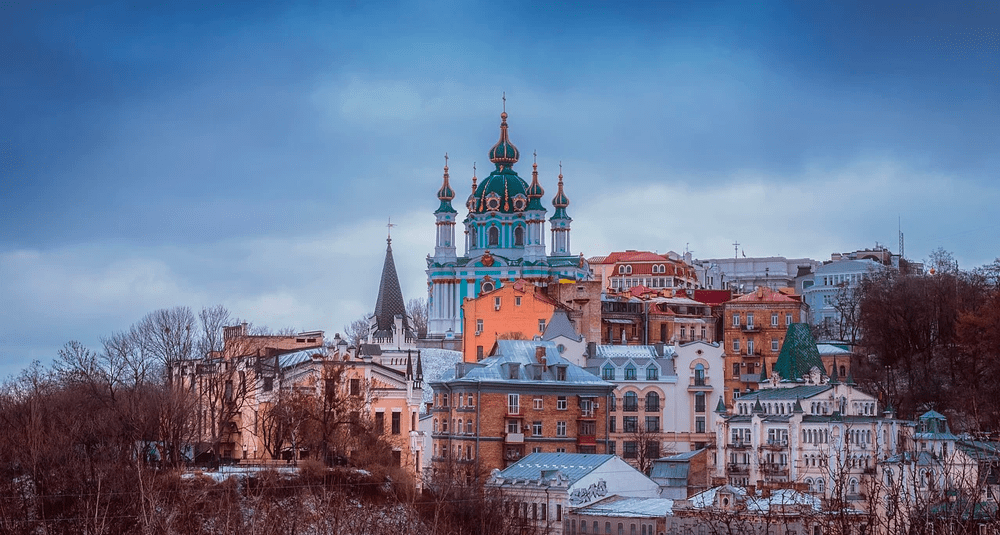
What is the capital of Ukraine?
1Kiev
2Warsaw
🙌 Good answer
The capital of Ukraine is Kiev, a historic and cultural city in the north of the country, on the banks of the Dnieper River. It is the political, economic and cultural center of Ukraine.
Next question
😞 Wrong answer
The capital of Ukraine is Kiev, a historic and cultural city in the north of the country, on the banks of the Dnieper River. It is the political, economic and cultural center of Ukraine.
Next question
entertainment
/ 10
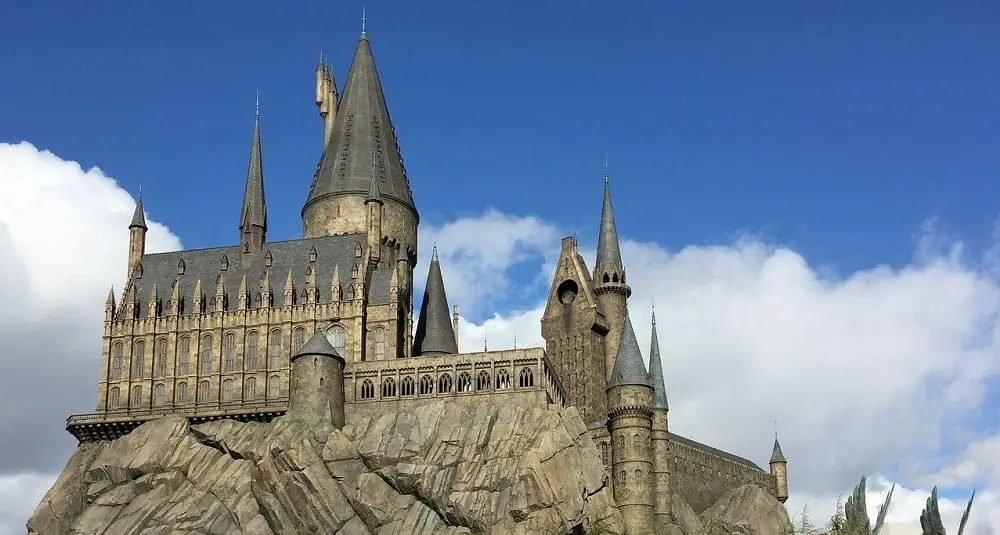
What's the name of the school Harry Potter goes to?
2Hogwarts
1Durmstrang
🙌 Good answer
Harry Potter attends Hogwarts School of Witchcraft and Wizardry, a fictional institution where young wizards are trained in the universe created by J.K. Rowling.
Next question
😞 Wrong answer
Harry Potter attends Hogwarts School of Witchcraft and Wizardry, a fictional institution where young wizards are trained in the universe created by J.K. Rowling.
Next question
arts
/ 10
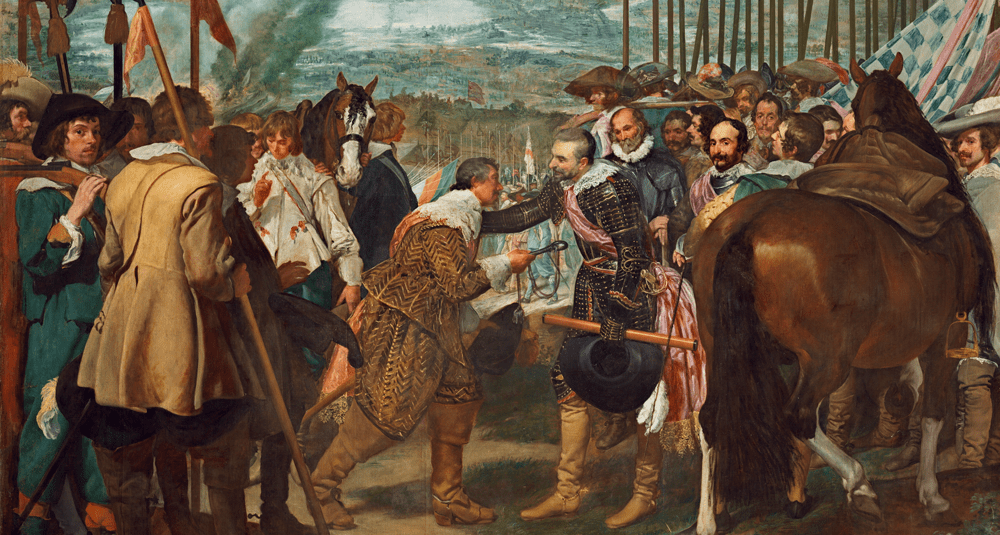
Where is exhibited the work The Surrender of Breda painted by Diego Velázquez?
1Museo del Prado, Madrid
2National Gallery, London
🙌 Good answer
The Surrender of Breda is an oil on canvas, painted between 1634 and 1635 by Diego Velázquez and exhibited at the Prado Museum in Madrid since 1819.
Next question
😞 Wrong answer
The Surrender of Breda is an oil on canvas, painted between 1634 and 1635 by Diego Velázquez and exhibited at the Prado Museum in Madrid since 1819.
Next question


