What is the average winter temperature at the North Pole?
Last Updated:
The temperature at the North Pole varies considerably depending on the season, but winter there remains one of the harshest on the planet. On average, the winter temperature at the North Pole is around -30°C, with lows that can drop to -40°C or even lower during extreme cold spells. This average reflects the extreme climatic conditions that prevail in the Arctic Ocean, which is covered by a thick layer of ice and plunged into darkness for several months.
The geographic North Pole, located at 90° north latitude, differs from the South Pole in its geographic nature: it does not rest on a continent, but on a frozen ocean, the Arctic Ocean. This means that under the ice cap there is salt water, unlike in Antarctica, where the ice covers land. This difference directly influences the temperatures observed, as seawater, even when very cold, acts as a slight thermal regulator.
As a result, winter temperatures at the North Pole are generally slightly less extreme than at the South Pole, where they can reach -60°C or below.
The Arctic winter lasts from November to March. During this period, the North Pole experiences polar night: the sun does not rise for several months. This absence of sunlight leads to massive heat loss and rapid cooling of the atmosphere.
On average:
- Temperatures range from -25°C to -40°C.
- Areas most exposed to polar winds can experience even lower temperatures due to wind chill.
- Sea ice thickens, reaching several meters in thickness.
Cold air masses then move southward, influencing the climates of North America, Europe, and Asia. These atmospheric exchanges explain why some cold spells in Europe originate in the polar vortex, a stream of frigid air circulating above the North Pole.
While winter is extremely harsh, summer at the North Pole is very different. From June to August, the sun remains above the horizon 24 hours a day: this is known as the polar day phenomenon. The sea ice then begins to melt on the surface and the average temperature rises to around 0°C, or even slightly above in some regions.
However, even during this “milder” season, the region remains cold and subject to sudden changes. The difference between summer and winter temperatures is one of the largest in the world.
For several decades, scientific records have shown that the average temperature at the North Pole is rising faster than in the rest of the world, a phenomenon known as Arctic amplification.
- In a century, average winter temperatures have risen by about 5°C.
- The Arctic ice cap has lost nearly 40% of its summer area since the 1980s.
- Abnormal episodes, with temperatures close to 0°C in the middle of winter, have already been recorded in recent years.
These changes are profoundly altering the Arctic ecosystem: the ice is melting earlier, wildlife (such as polar bears and seals) are seeing their habitats shrink, and ocean currents are being disrupted.
The North Pole plays a crucial role in regulating the global climate. Its immense ice cap acts like a mirror, reflecting much of the sun’s radiation back into space. But as the ice melts, the dark surfaces of the ocean absorb more heat, further accelerating warming.
Therefore, knowing the average winter temperature at the North Pole, which is around -30°C, is not just a scientific fact: it is a key indicator of the planet’s climate balance.
The average winter temperature at the North Pole is around -30°C, with lows close to -40°C. These extreme conditions, exacerbated by the polar night and icy winds, are testament to the harshness of the Arctic climate. However, global warming is rapidly transforming this region, making the North Pole a fragile barometer of the future of the global climate.
sciences
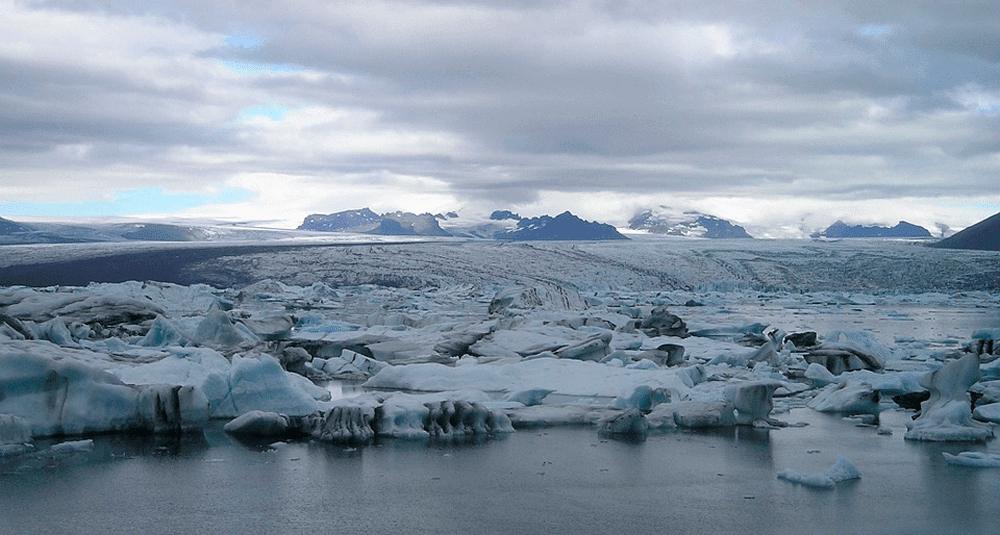
What is the average winter temperature at the North Pole?
Answer
The average temperature in winter at the North Pole is around -30°C, but it can sometimes drop to -40°C depending on atmospheric conditions.