How many harrier subspecies exist?
Last Updated:
The harrier is a diurnal bird of prey belonging to the Accipitridae family, along with eagles, falcons, and kites. This elegant raptor, recognizable by its gliding flight and slender silhouette, is represented worldwide by a dozen main species and several subspecies, depending on the region. In total, there are an estimated 16 species of harriers, divided into numerous subspecies adapted to their respective environments.
The term “harrier” refers to a group of birds of the genus Circus. The name comes from the ancient Greek kirkos, meaning “circle,” in reference to their circular and graceful flight as they patrol fields and marshes in search of prey.
Harriers are found on every continent except Antarctica. They inhabit open areas (marshes, grasslands, agricultural plains, or savannas) where they hunt mainly small mammals, reptiles, amphibians, and birds.
The genus Circus includes approximately 16 recognized species, among which are:
- The Montagu’s harrier (Circus pygargus), found in Europe and Asia.
- The marsh harrier (Circus aeruginosus), common in Europe and Africa.
- The hen harrier (Circus cyaneus), widespread in Eurasia and North America.
- The pallid harrier (Circus macrourus), a migratory species native to Eastern Europe and Asia.
- The Australian harrier-hawk (Circus approximans), endemic to Australia and New Zealand.
- The Madagascar harrier-hawk (Circus macrosceles), limited to this large island in the Indian Ocean.
Each species sometimes includes several subspecies, defined by variations in plumage, size, or habitat. For example, the Western Marsh Harrier (Circus aeruginosus) has three main subspecies:
- Circus aeruginosus aeruginosus (Europe and North Africa),
- Circus aeruginosus harterti (East Africa),
- Circus aeruginosus spilonotus (Asia).
Similarly, the hen harrier (Circus cyaneus) is often divided into several subspecies depending on whether it lives in Eurasia or North America. This diversity reflects the harriers’ adaptation to a wide variety of environments, from temperate zones to tropical regions.
Harriers are medium-sized birds of prey, measuring between 40 and 55 cm in length, with a wingspan of up to 1.2 meters. They are distinguished by their light flight, often at low altitude, which allows them to spot their prey thanks to their extremely sharp eyesight. Their facial disc, reminiscent of that of owls, improves their auditory and visual perception.
Males and females exhibit marked sexual dimorphism: males generally have silvery gray or bluish plumage, while females are brown with reddish hues. This difference in color makes it easier to recognize the sexes in the wild.
Harriers play an essential ecological role in regulating rodent and insect populations, thereby contributing to the balance of agricultural ecosystems. However, several species of harriers are threatened by the disappearance of wetlands, the intensification of agriculture, and the use of pesticides.
The Montagu’s harrier, for example, has long suffered from the destruction of its nesting sites in grain fields. Protection programs have been set up in Europe to preserve its habitats and monitor its populations.
The term harrier refers to a group of about 16 species of birds of the genus Circus, which are further subdivided into several subspecies according to their regions of origin. Their diversity illustrates their ability to adapt to open environments around the world. These graceful birds of prey, emblems of plains and marshes, are both indicators of the ecological health of their environment and symbols of freedom through their majestic flight.
Thus, when considering the number of harrier subspecies, it is important to understand that there is no single figure, but rather a rich diversity, reflecting their global distribution and natural evolution.
You may also be interested in
nature
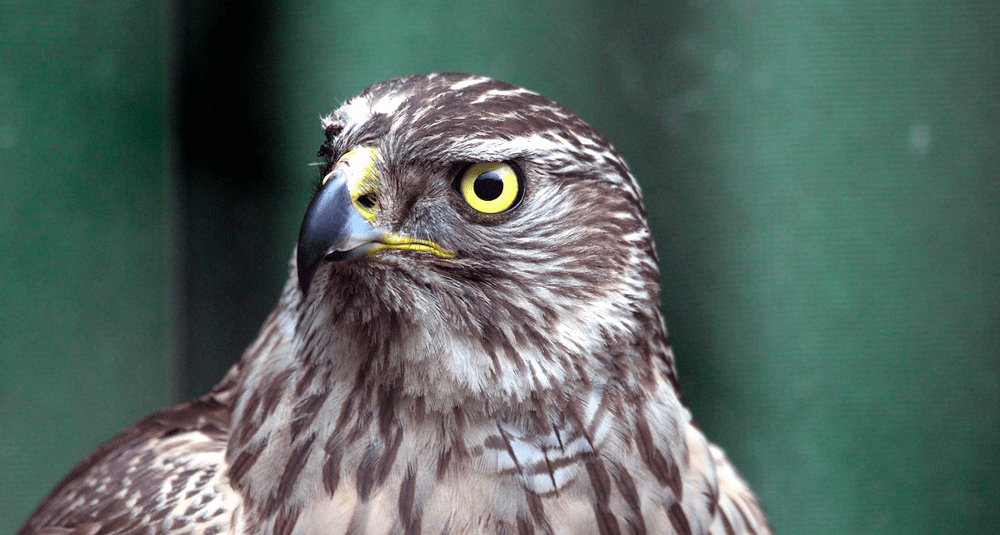
How many harrier subspecies exist?
Answer
There are several species of harriers grouped in the genus Circus, which includes about 16 species and numerous subspecies worldwide.