Quiz History
Last Updated:
Are you a history buff? Our quizzes are for you! Test your knowledge of the great historical periods, landmark events, famous people and civilizations that have shaped the world as we know it today.
Our history quizzes are a fun and educational way to relive key moments in human history. With a varied selection of questions, you can test your knowledge on topics ranging from antiquity to the 21st century, including the Middle Ages, the Renaissance, industrial and political revolutions.
Do you know who signed the U.S. Declaration of Independence? Do you know the dates of major battles such as Hastings and Waterloo? Can you identify iconic figures such as Napoleon, Cleopatra and Martin Luther King? Our history quizzes are designed to help you answer all these questions while enriching your historical knowledge.
As you explore our history quizzes, you’ll discover fascinating anecdotes, little-known facts and striking details about the events and characters that changed the course of history. Whether you’re a history buff, a student or simply curious, our quizzes are an interactive and entertaining way to test your knowledge and learn more about the events that have shaped the world.
Test your knowledge and travel through the ages with our history quizzes!
Test your knowledge of history with our quizzes. Whether you’re an amateur or a true enthusiast, our quizzes will offer you a challenge adapted to your level.
Compare yourself with other history buffs and find out where you stand among connoisseurs of the great historical periods. Each question is an opportunity to learn and deepen your knowledge.
Our history quizzes are not simple knowledge tests, but interactive learning tools. Each question is accompanied by detailed explanations and interesting facts about key events, characters and eras.
By answering the questions, you’ll enrich your general knowledge and develop a better understanding of the past. Use our quizzes to explore new historical periods, discover fascinating anecdotes and strengthen your knowledge of world history.
history
/ 10
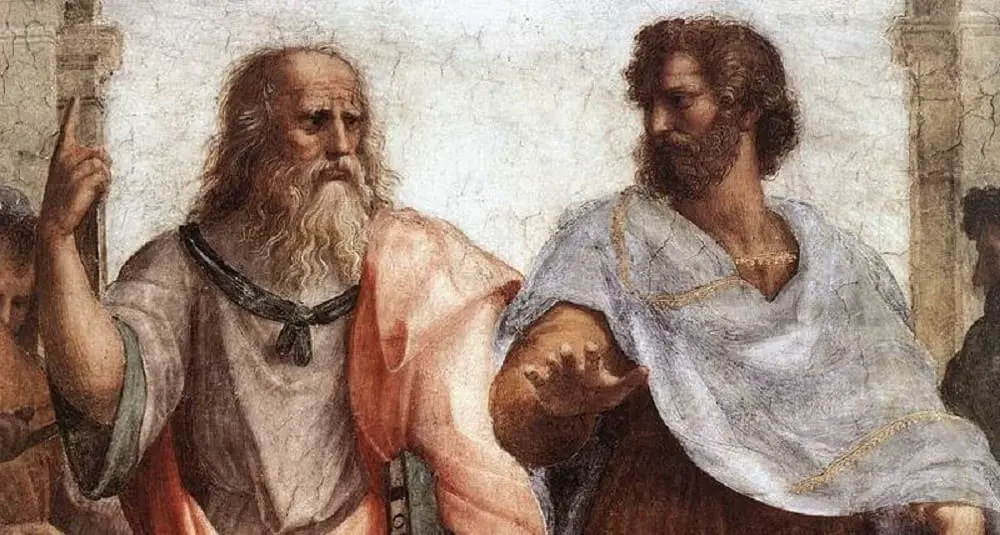
What is Plato's real name?
1Aristocles
2Diotima

🙌 Good answer
Plato's real name was Aristocles. This nickname, which means “large” in Greek, is said to have been given to him because of his imposing forehead or build.
Next question
😞 Wrong answer
Plato's real name was Aristocles. This nickname, which means “large” in Greek, is said to have been given to him because of his imposing forehead or build.
Next question
history
/ 10
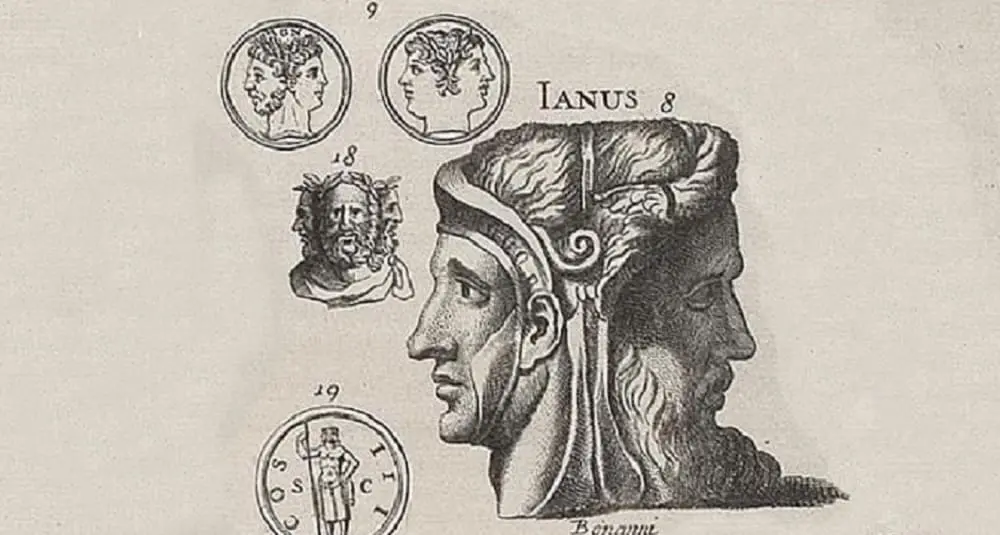
What does Janus symbolize?
1Past and future
2War and peace
🙌 Good answer
In Roman mythology, Janus symbolizes beginnings, endings, the passage of time and transitions, with his two faces turned towards the past and the future.
Next question
😞 Wrong answer
In Roman mythology, Janus symbolizes beginnings, endings, the passage of time and transitions, with his two faces turned towards the past and the future.
Next question
history
/ 10
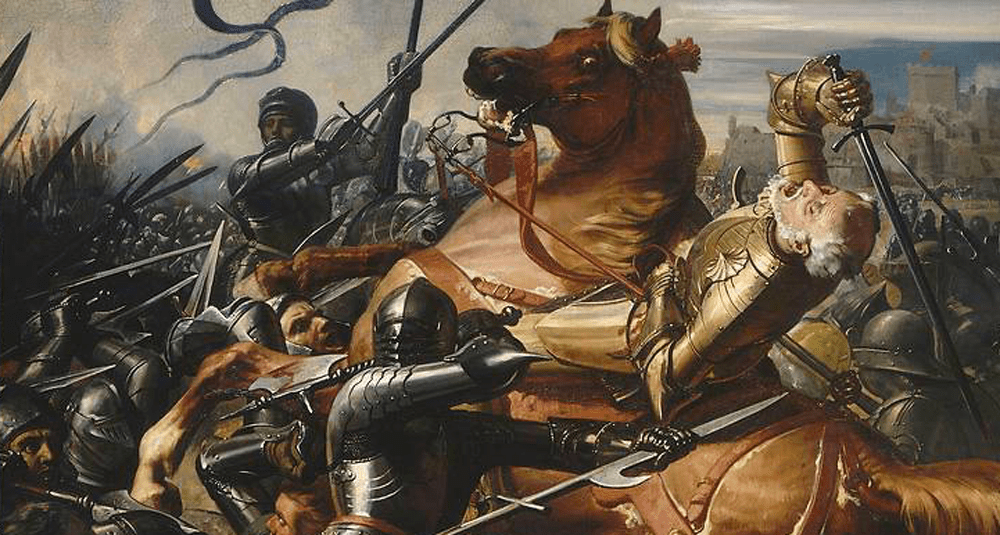
What battle ends the Hundred Years' War?
2Battle of Castillon
1Battle of Azincourt
🙌 Good answer
The Battle of Castillon, which took place on July 17, 1453, put an end to the Hundred Years' War. It marked the decisive victory of the French over the English.
Next question
😞 Wrong answer
The Battle of Castillon, which took place on July 17, 1453, put an end to the Hundred Years' War. It marked the decisive victory of the French over the English.
Next question
history
/ 10
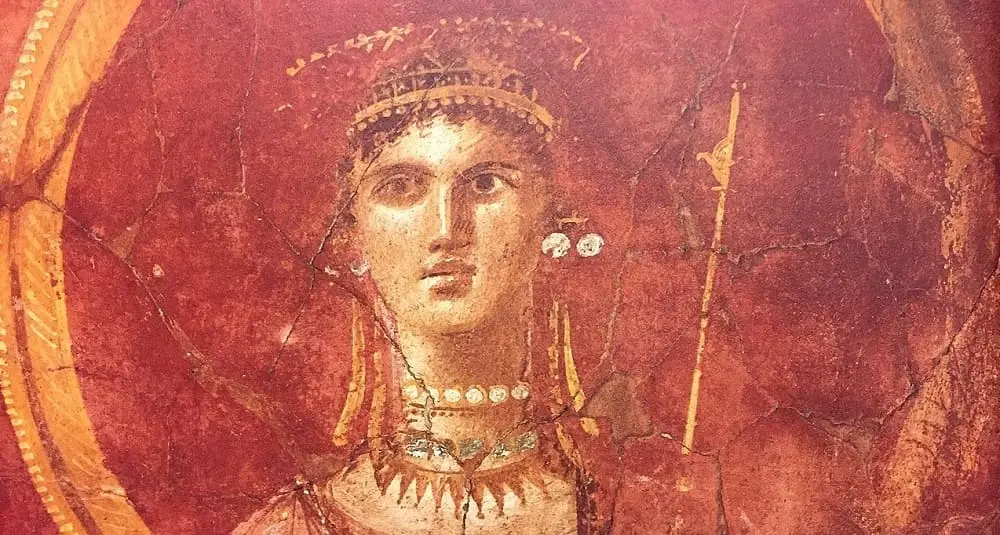
Who is Aphrodite?
1Goddess of love
2Goddess of wisdom
🙌 Good answer
In Greek mythology, Aphrodite is the goddess of love, beauty and desire. Born of sea foam, she is one of the most influential Olympian deities.
Next question
😞 Wrong answer
In Greek mythology, Aphrodite is the goddess of love, beauty and desire. Born of sea foam, she is one of the most influential Olympian deities.
Next question
history
/ 10
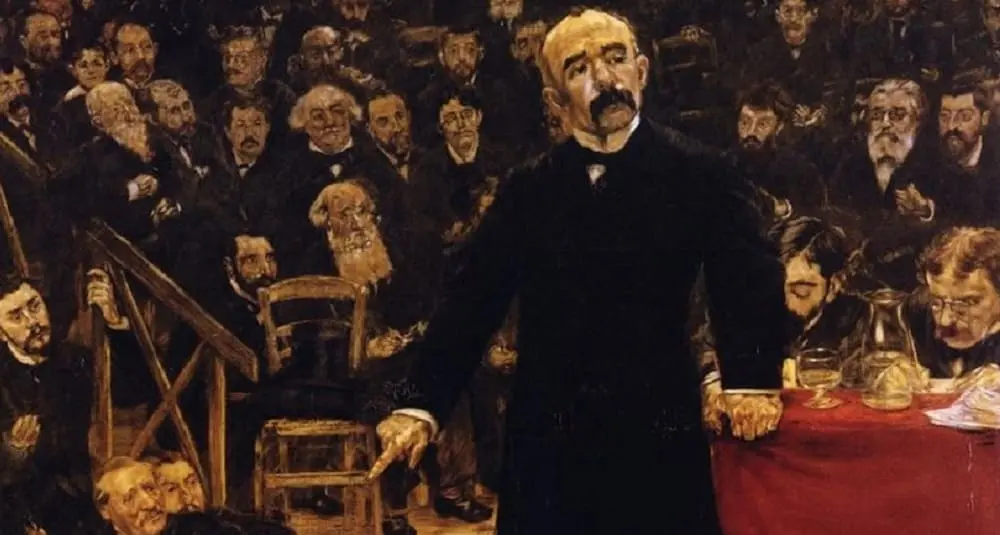
Was George Clemenceau President of the Republic?
2No
1Yes
🙌 Good answer
Georges Clemenceau was never President of the French Republic. He was a great statesman and several times President of the Council.
Next question
😞 Wrong answer
Georges Clemenceau was never President of the French Republic. He was a great statesman and several times President of the Council.
Next question
history
/ 10
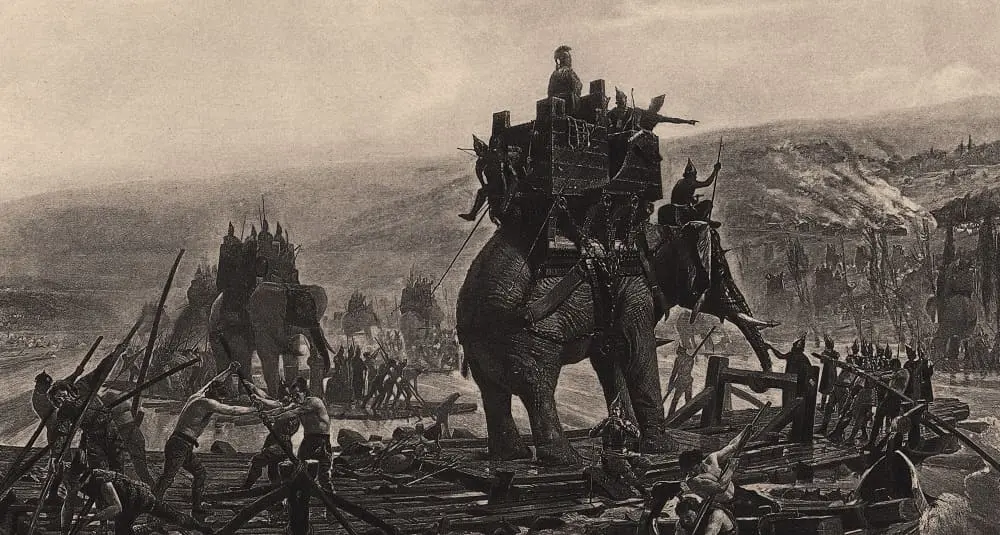
Who is Hannibal and his elephants?
1Carthaginian General
2Roman Emperor
🙌 Good answer
Hannibal Barca, a Carthaginian general, is famous for having crossed the Alps in 218 BC with his army, including 37 elephants, during the Second Punic War against Rome.
Next question
😞 Wrong answer
Hannibal Barca, a Carthaginian general, is famous for having crossed the Alps in 218 BC with his army, including 37 elephants, during the Second Punic War against Rome.
Next question
history
/ 10

Which pope convoked the Council of Trent in 1542?
1Paul III
2Pie III
🙌 Good answer
The Council of Trent was convened in 1542 by Pope Paul III to respond to the Protestant Reformation and reaffirm Catholic doctrine.
Next question
😞 Wrong answer
The Council of Trent was convened in 1542 by Pope Paul III to respond to the Protestant Reformation and reaffirm Catholic doctrine.
Next question
history
/ 10

When did the St. Bartholomew's Day Massacre take place?
11572
21672
🙌 Good answer
The St. Bartholomew's Day massacre took place on the night of August 23-24, 1572, marking a tragic turning point in France's Wars of Religion.
Next question
😞 Wrong answer
The St. Bartholomew's Day massacre took place on the night of August 23-24, 1572, marking a tragic turning point in France's Wars of Religion.
Next question
history
/ 10
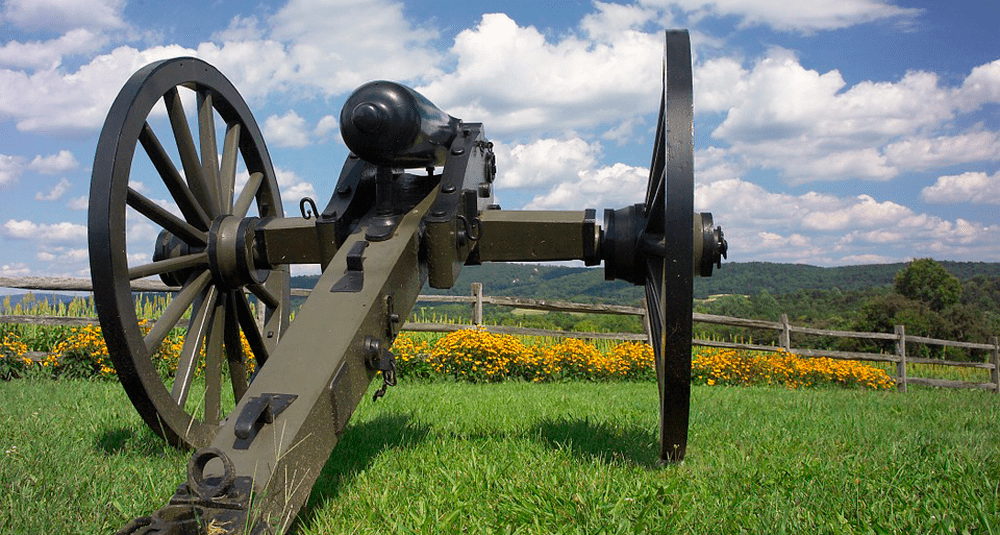
During the Civil War who are the opponents of the United States of America?
1The Confederate States of America
2Slavers
🙌 Good answer
The American Civil War was a civil war between 1861 and 1865 between the United States of America and the Confederate States of America.
Next question
😞 Wrong answer
The American Civil War was a civil war between 1861 and 1865 between the United States of America and the Confederate States of America.
Next question
history
/ 10
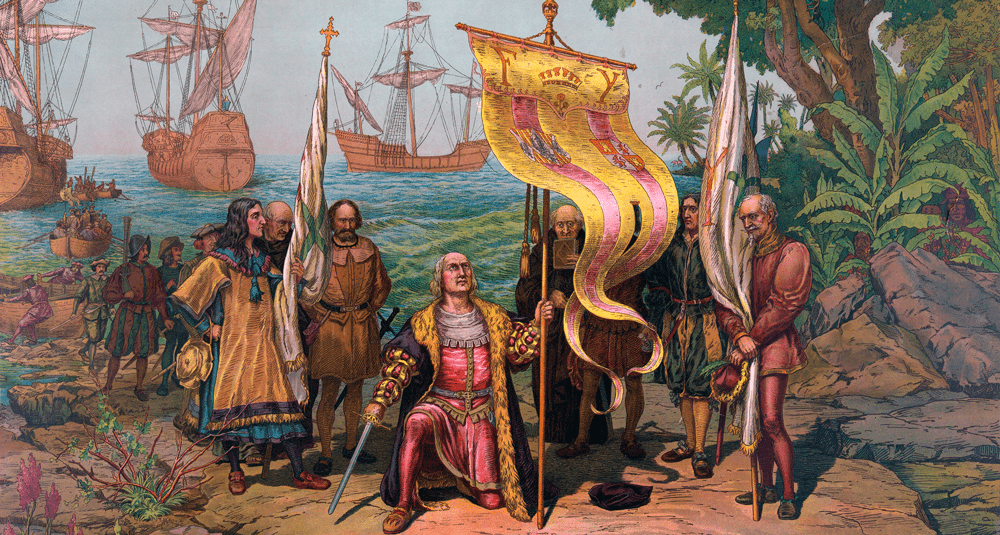
Which navigator discovered America in 1492?
1Christopher Columbus
2Vasco da Gama
🙌 Good answer
The navigator who discovered America in 1492 was Christopher Columbus. His historic voyage marked the beginning of European exploration of the New World.
Next question
😞 Wrong answer
The navigator who discovered America in 1492 was Christopher Columbus. His historic voyage marked the beginning of European exploration of the New World.
Next question


