Quiz Animals
Last Updated:
IMPROVE YOUR KNOWLEDGE WITH OUR ANIMAL QUIZZES
Are you an animal lover? We offer a collection of animal quizzes to test your knowledge about different animal species, their habitats, behaviors, physical characteristics and more.
Our animal quizzes are a fun and educational way to learn about the animal world. With our selection of animal trivia questions, you can test your knowledge and learn more about wild and domestic animals, as well as environmental protection and preservation of endangered species.
Do you know the different types of reptiles, birds or mammals? Can you identify the physical and behavioral characteristics of the most popular marine, savanna, or domestic animals? Can you name the animals in danger of extinction and the measures taken to protect them? Our animal quizzes are here to help you answer these questions and expand your knowledge of the animal world.
Our animal quizzes will help you learn about new species, their lifestyles and habitats. Animal trivia is a fun way to expand your knowledge and learn about animals around the world. So, if you are passionate about animals or just curious, come and test your knowledge with our animal quizzes.
nature
/ 10
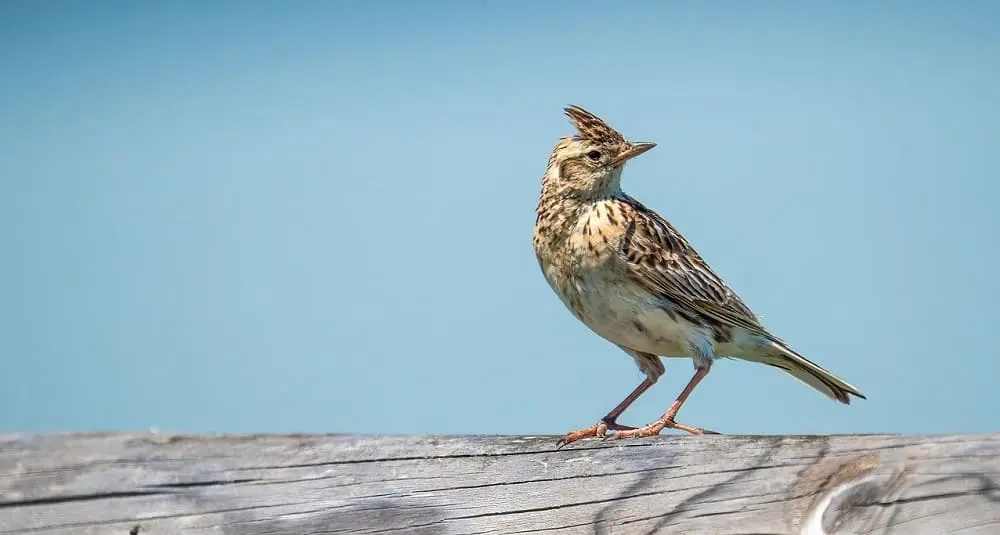
What is the name of the lark's song?
2Grisolle
1Cajole

🙌 Good answer
The song of the lark is called "grisolle" in French. It is a very characteristic and melodious song, often associated with the first signs of spring.
Next question
😞 Wrong answer
The song of the lark is called "grisolle" in French. It is a very characteristic and melodious song, often associated with the first signs of spring.
Next question
nature
/ 10
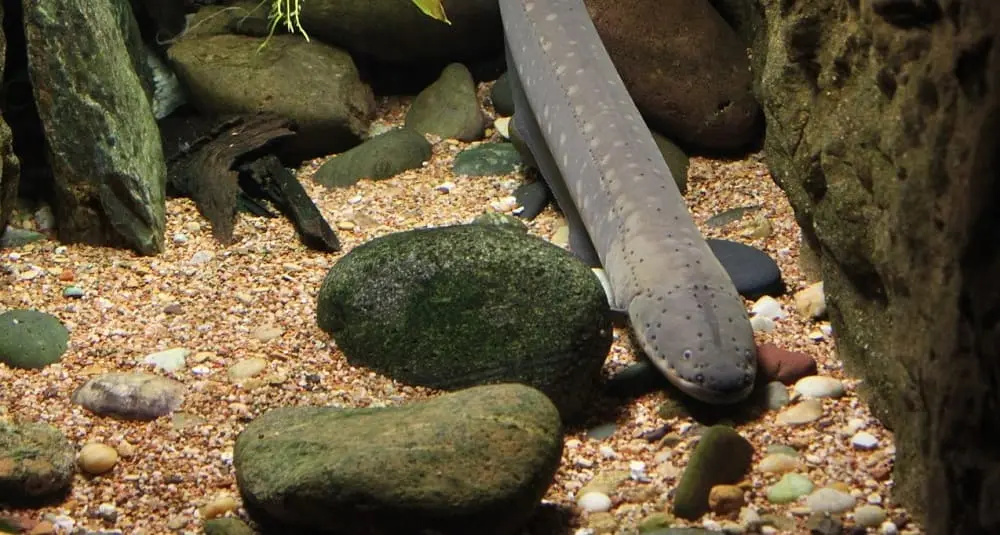
Do eels have teeth?
1Yes
2No
🙌 Good answer
Eels have sharp teeth in their upper and lower jaws that allow them to grasp their food, often invertebrates, crustaceans and small fish.
Next question
😞 Wrong answer
Eels have sharp teeth in their upper and lower jaws that allow them to grasp their food, often invertebrates, crustaceans and small fish.
Next question
nature
/ 10

How many humps does a camel have?
22
11
🙌 Good answer
Camels have two humps, while dromedaries have only one, they are energy reserves full of fat.
Next question
😞 Wrong answer
Camels have two humps, while dromedaries have only one, they are energy reserves full of fat.
Next question
nature
/ 10
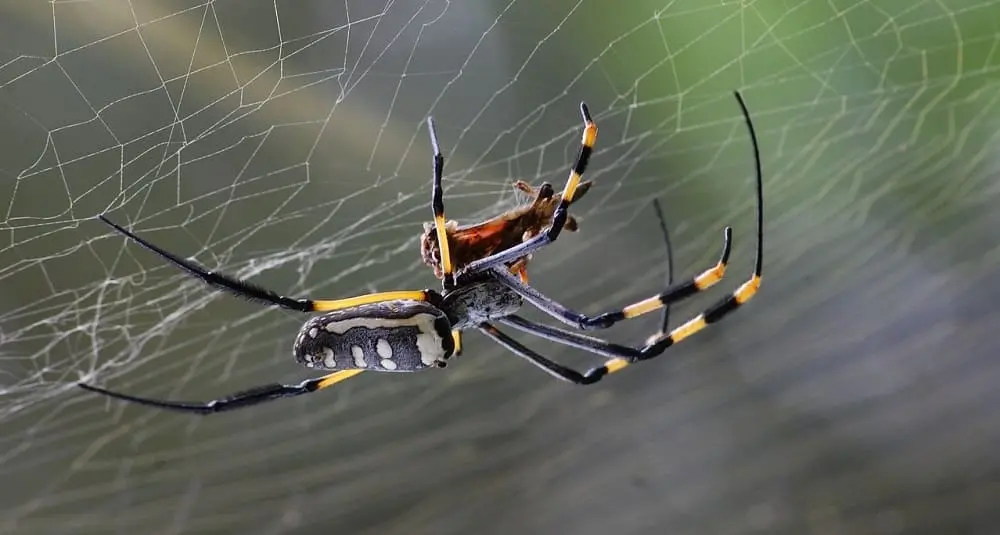
How many legs does a spider have?
28
16
🙌 Good answer
Spiders have eight legs, unlike insects which have six.
Next question
😞 Wrong answer
Spiders have eight legs, unlike insects which have six.
Next question
nature
/ 10
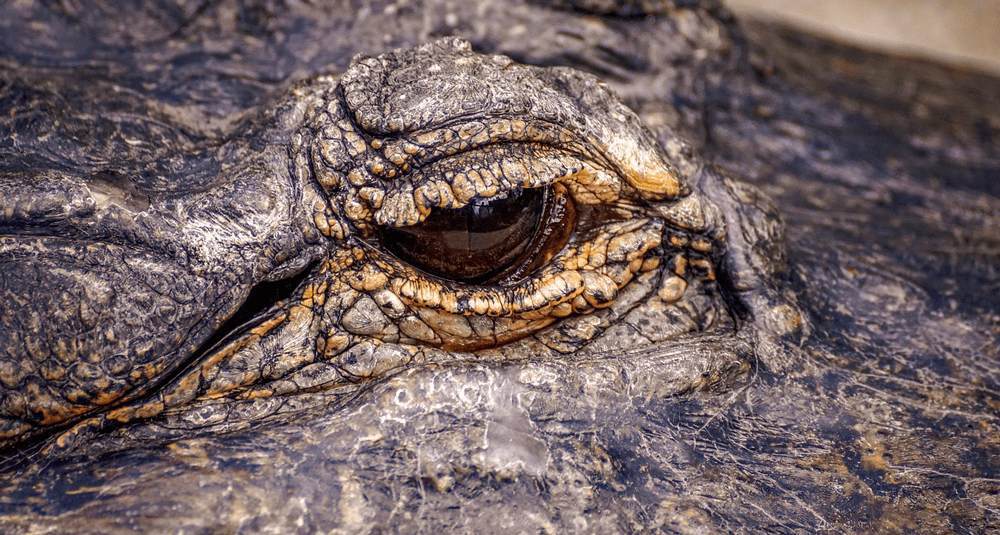
What is the difference between a crocodile and an alligator?
1The muzzle
2The tail
🙌 Good answer
Alligators are characterized by a larger snout than crocodiles. Alligators are native to only three countries: the United States, Mexico and the People's Republic of China.
Next question
😞 Wrong answer
Alligators are characterized by a larger snout than crocodiles. Alligators are native to only three countries: the United States, Mexico and the People's Republic of China.
Next question
nature
/ 10
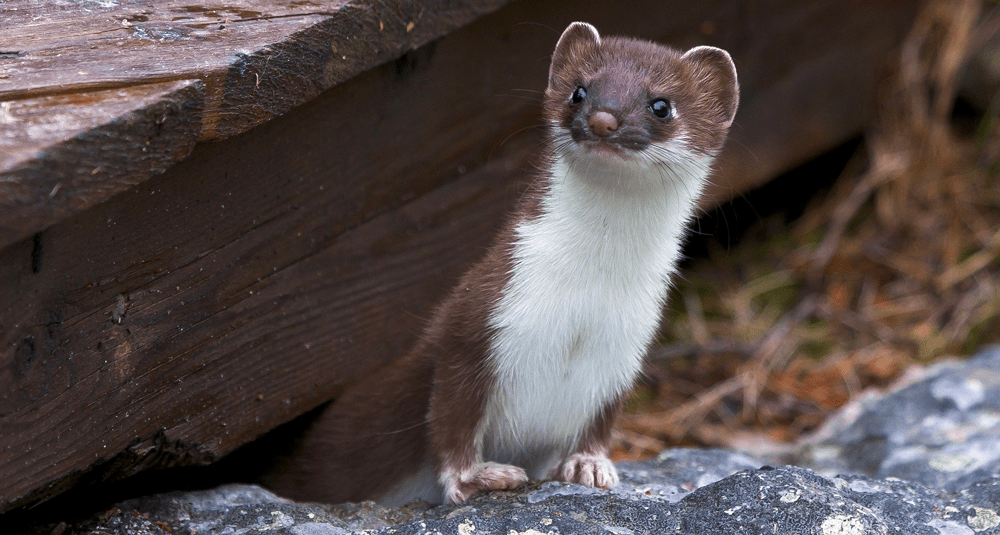
What physiological characteristic differentiates the weasel from the ermine?
1Tail
2Ears
🙌 Good answer
The main physiological difference between weasels and ermine is their winter coat. The ermine becomes entirely white, except for the tip of its tail, which remains black, while the weasel retains its brown coat.
Next question
😞 Wrong answer
The main physiological difference between weasels and ermine is their winter coat. The ermine becomes entirely white, except for the tip of its tail, which remains black, while the weasel retains its brown coat.
Next question
nature
/ 10
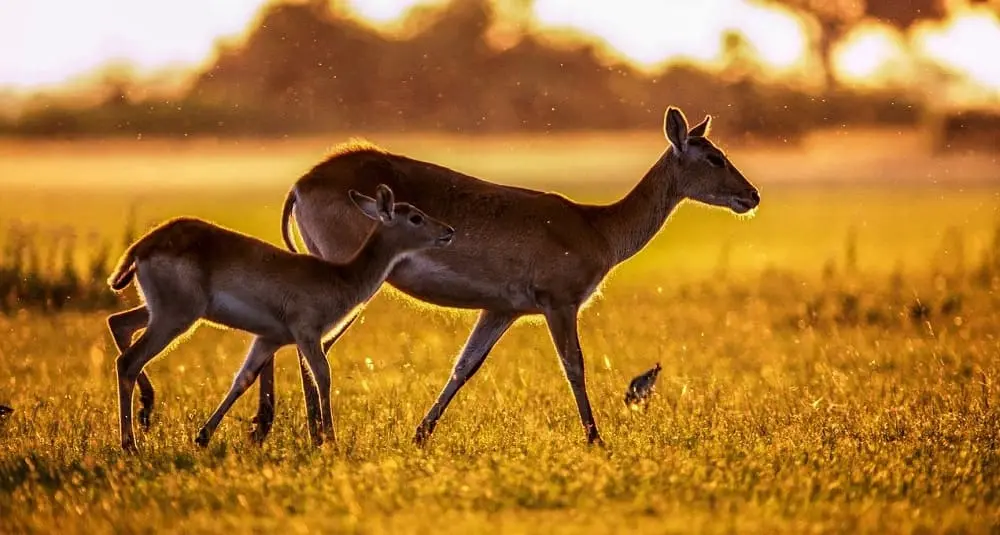
What is the smallest antelope in the world?
2Dik-dik
1Common eland
🙌 Good answer
The smallest antelope in the world is the dik-dik, a small antelope that lives in East Africa. It measures between 30 and 40 cm and weighs between 3 and 6 kg.
Next question
😞 Wrong answer
The smallest antelope in the world is the dik-dik, a small antelope that lives in East Africa. It measures between 30 and 40 cm and weighs between 3 and 6 kg.
Next question
nature
/ 10
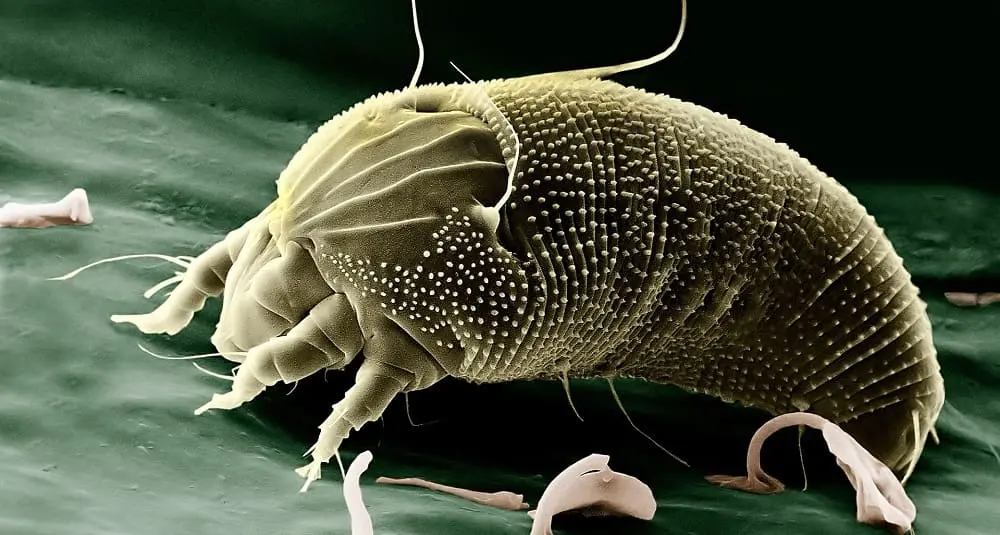
Do mites sting?
2No
1Yes
🙌 Good answer
Dust mites do not sting. Dust mites are microscopic arthropods that feed mainly on dead skin and are often responsible for allergic reactions.
Next question
😞 Wrong answer
Dust mites do not sting. Dust mites are microscopic arthropods that feed mainly on dead skin and are often responsible for allergic reactions.
Next question
nature
/ 10
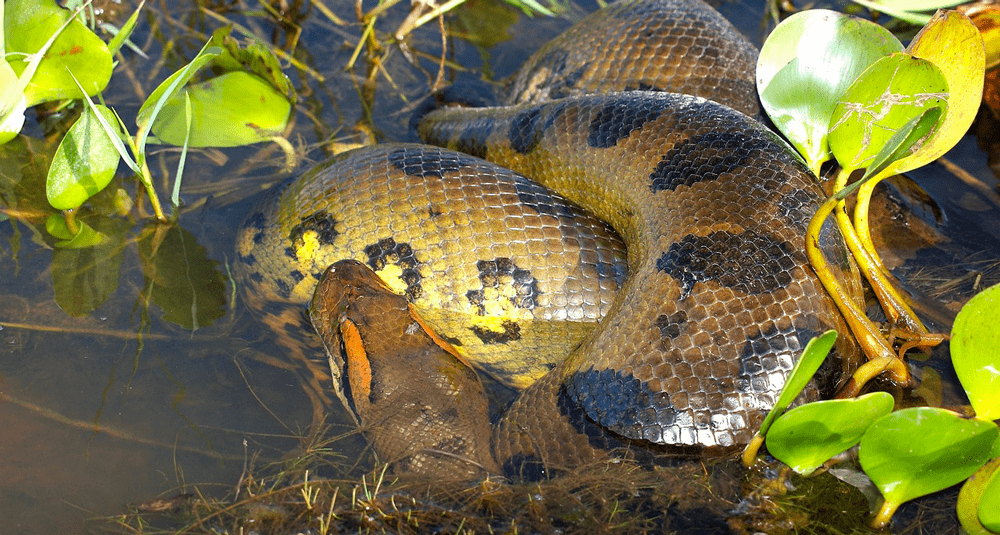
Are anacondas poisonous snakes?
2No
1Yes
🙌 Good answer
Anacondas are not venomous snakes. They are constrictors, killing their prey by strangling them until they suffocate.
Next question
😞 Wrong answer
Anacondas are not venomous snakes. They are constrictors, killing their prey by strangling them until they suffocate.
Next question
nature
/ 10
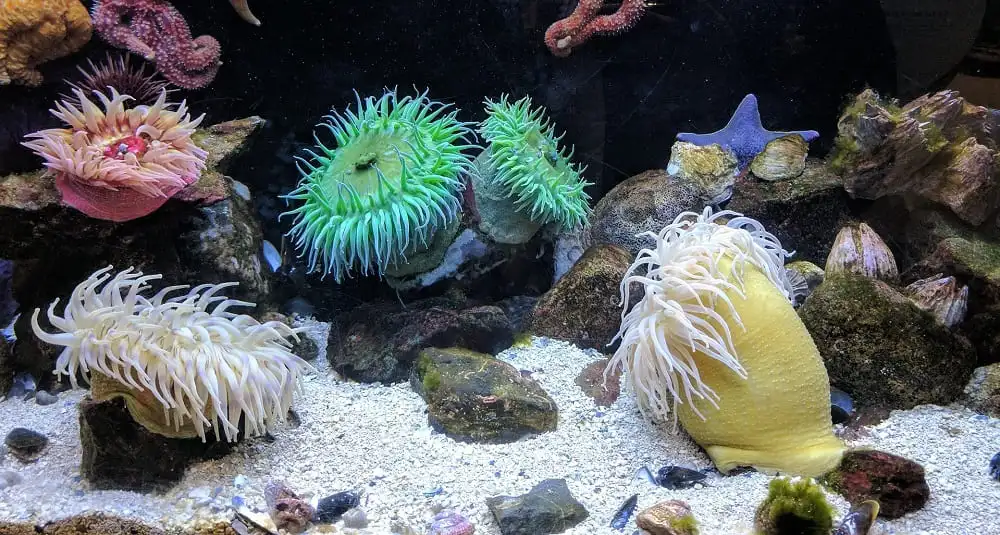
Is the sea anemone an animal?
1Yes
2No
🙌 Good answer
Yes, the sea anemone is a marine animal belonging to the order Actiniaria, often mistaken for a plant because of its floral appearance.
Next question
😞 Wrong answer
Yes, the sea anemone is a marine animal belonging to the order Actiniaria, often mistaken for a plant because of its floral appearance.
Next question


