Quiz Nature
Last Updated:
IMPROVE YOUR KNOWLEDGE WITH OUR NATURE QUIZ
Are you a nature enthusiast? We offer a collection of nature quizzes to test your knowledge on various topics, such as animals, plants, ecosystems, climate, etc.
Our nature quizzes are a fun and informative way to learn more about the natural world around us. With our selection of questions on different topics, you can test your knowledge about nature and biodiversity. Do you know the animals that live in tropical forests? Can you identify the different species of birds? Can you name the different geological formations? Our nature quizzes are here to help you answer these questions and expand your knowledge of nature.
Our nature quizzes will help you discover new animals and plants, and learn about the world’s most important ecosystems. Nature quizzes are a fun way to reinforce your knowledge and discover the beauty and complexity of nature. So if you are a nature enthusiast or just curious, come test your knowledge with our nature quizzes.
nature
/ 10
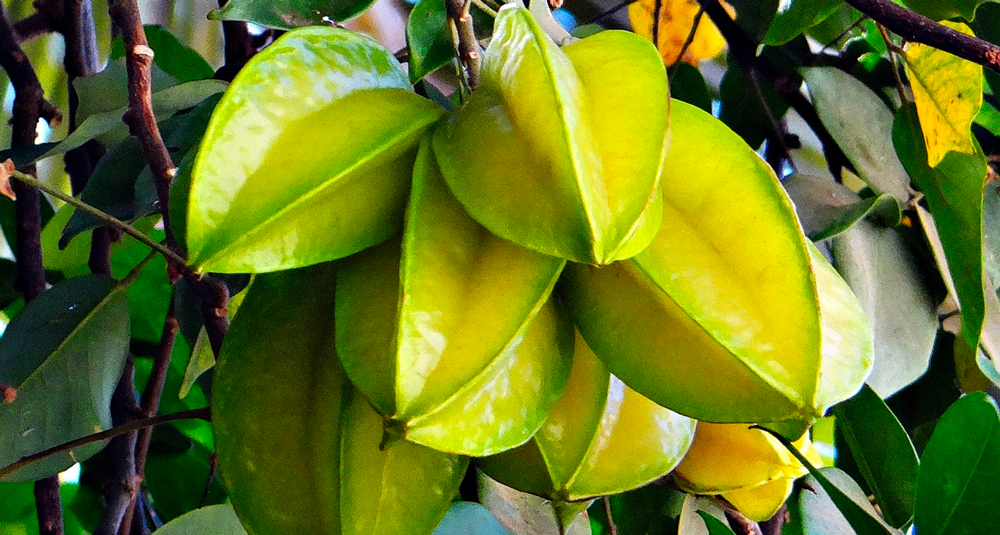
What is the continent of origin of the averrhoa carambola?
1Asia
2South America

🙌 Good answer
The carambola tree is a tree of tropical regions, native to Asia whose fruit is the starfruit or apple of Goa.
Next question
😞 Wrong answer
The carambola tree is a tree of tropical regions, native to Asia whose fruit is the starfruit or apple of Goa.
Next question
nature
/ 10

How many humps does a camel have?
22
11
🙌 Good answer
Camels have two humps, while dromedaries have only one, they are energy reserves full of fat.
Next question
😞 Wrong answer
Camels have two humps, while dromedaries have only one, they are energy reserves full of fat.
Next question
nature
/ 10
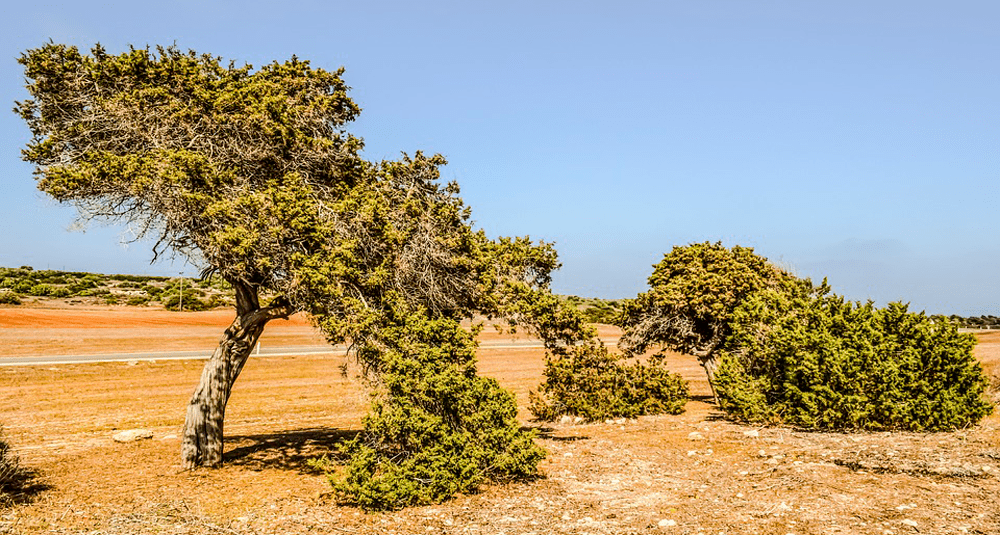
What is the scientific name of juniper?
1Juniperus
2Larix
🙌 Good answer
The scientific name for juniper is Juniperus, a genus of conifers belonging to the Cupressaceae family.
Next question
😞 Wrong answer
The scientific name for juniper is Juniperus, a genus of conifers belonging to the Cupressaceae family.
Next question
nature
/ 10
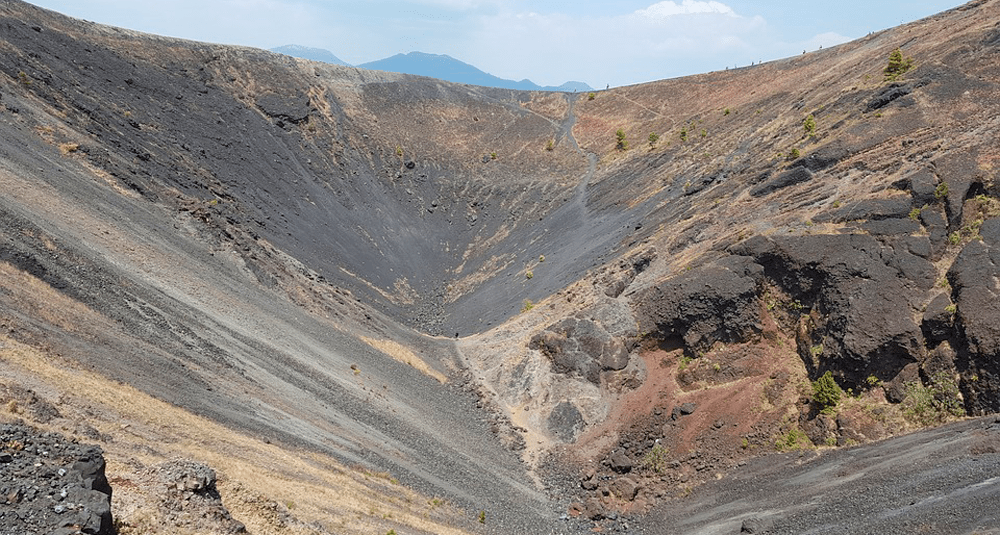
What is the youngest volcano?
2Ardoukoba
1Paricutín
🙌 Good answer
The youngest volcano is Ardoukoba with a first eruption in November 1978 while Paricutín had its first eruption in 1943.
Next question
😞 Wrong answer
The youngest volcano is Ardoukoba with a first eruption in November 1978 while Paricutín had its first eruption in 1943.
Next question
nature
/ 10
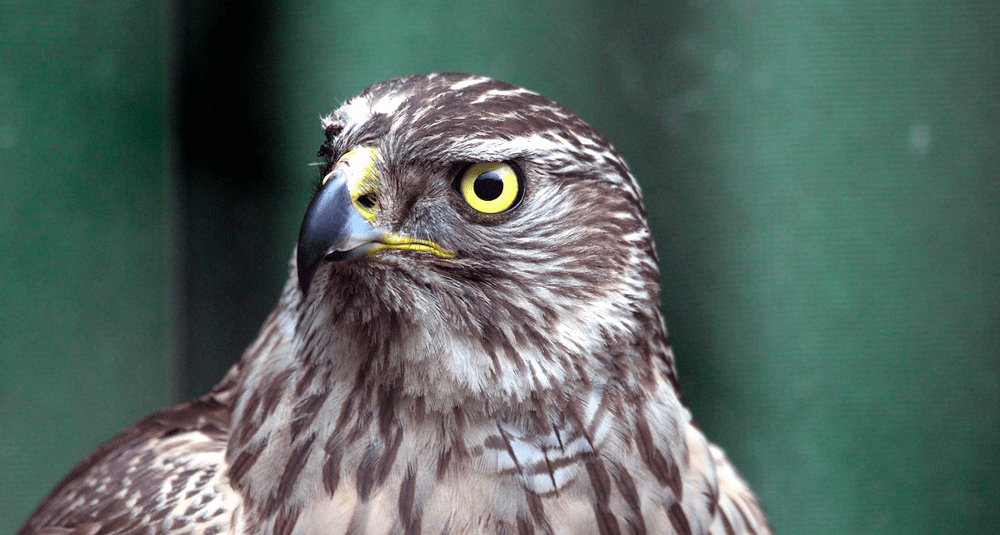
How many harrier subspecies exist?
116
226
🙌 Good answer
There are several species of harriers grouped in the genus Circus, which includes about 16 species and numerous subspecies worldwide.
Next question
😞 Wrong answer
There are several species of harriers grouped in the genus Circus, which includes about 16 species and numerous subspecies worldwide.
Next question
nature
/ 10
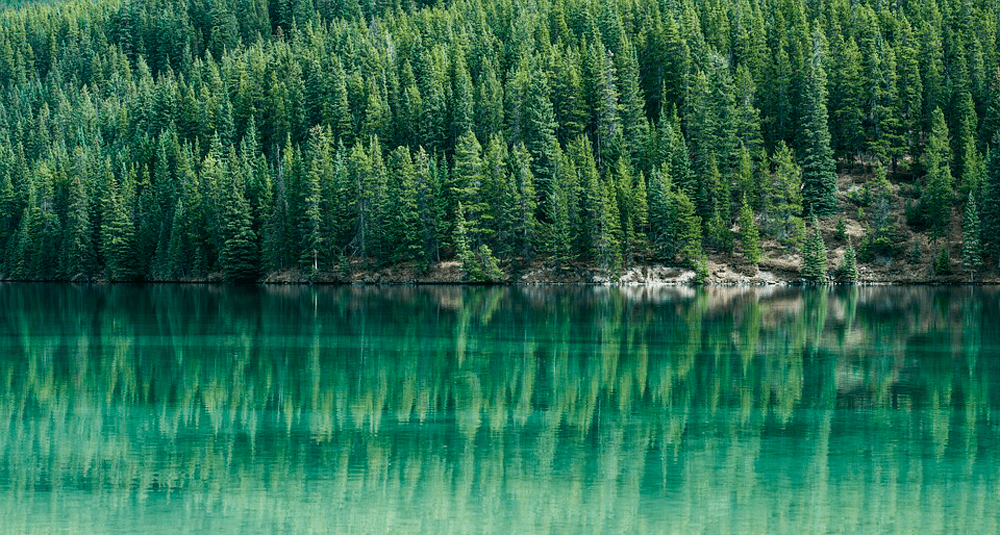
Which of these two conifers does not belong to the genus pinus?
1Oregon pine
2Stone pine
🙌 Good answer
Oregon pine is actually neither a pine nor a fir, but a member of the genus Pseudotsuga.
Next question
😞 Wrong answer
Oregon pine is actually neither a pine nor a fir, but a member of the genus Pseudotsuga.
Next question
nature
/ 10
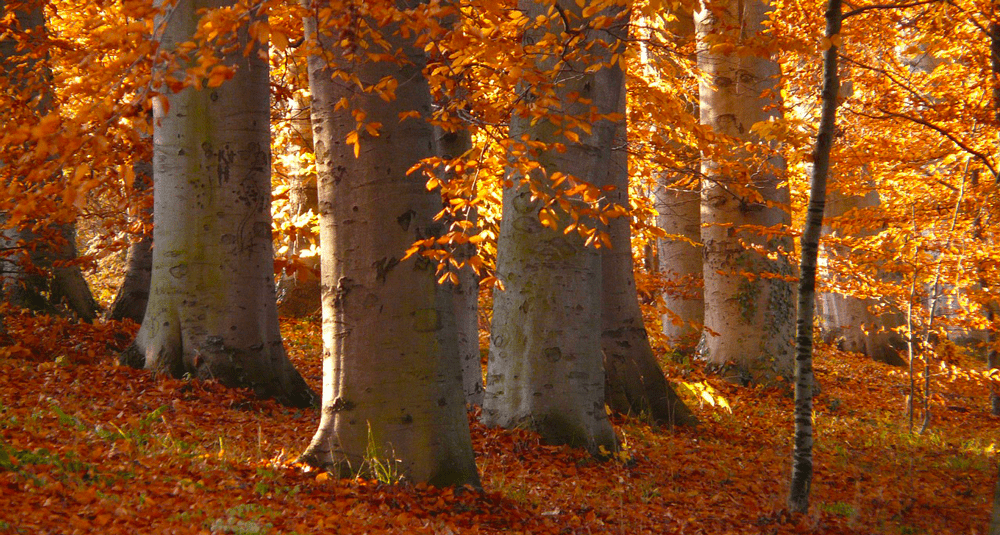
What is the fruit of the beech tree?
1The ridge
2The acorn
🙌 Good answer
The ridge is the fruit of the beech tree. The ridge is the harvesting of the beech trees, it also refers to the natural sowing of beech trees in forestry.
Next question
😞 Wrong answer
The ridge is the fruit of the beech tree. The ridge is the harvesting of the beech trees, it also refers to the natural sowing of beech trees in forestry.
Next question
nature
/ 10
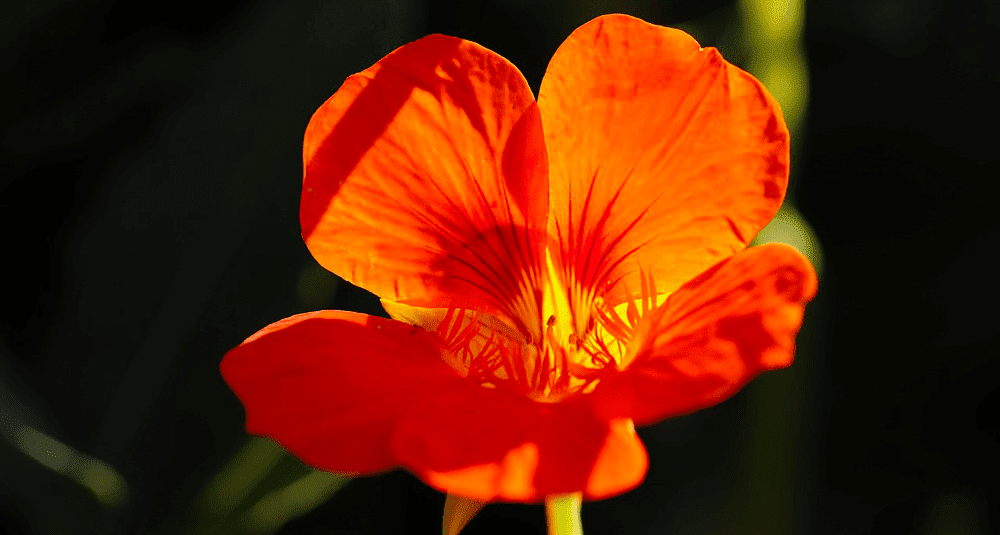
From which continent do nasturtiums originate?
2America
1Asia
🙌 Good answer
Nasturtiums are native to South America. These ornamental and edible plants are particularly appreciated for their colorful flowers and slightly peppery taste.
Next question
😞 Wrong answer
Nasturtiums are native to South America. These ornamental and edible plants are particularly appreciated for their colorful flowers and slightly peppery taste.
Next question
nature
/ 10
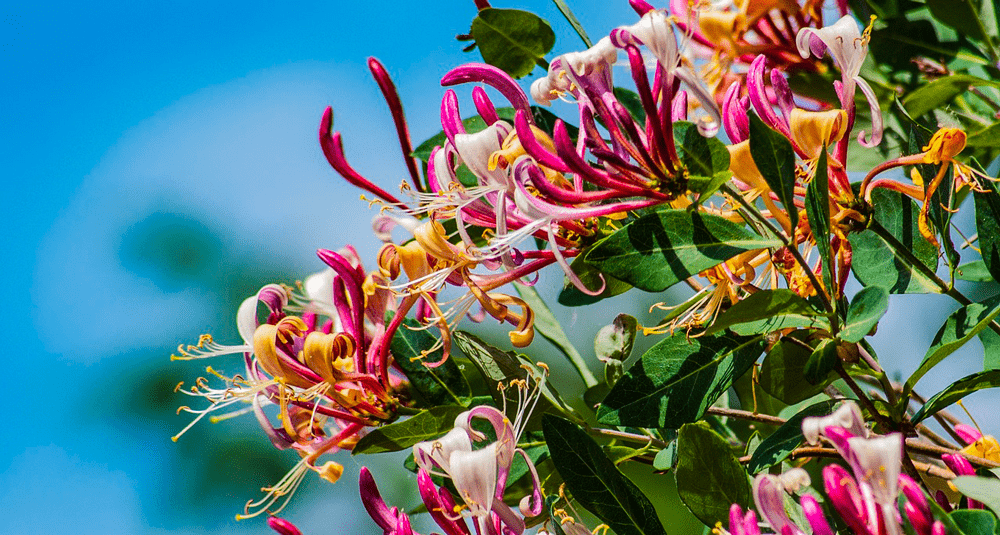
Under what name is the genus lonicera also known?
2Honeysuckle
1Buttercup
🙌 Good answer
The Lonicera genus is also known as honeysuckle. These climbing or shrubby plants are prized for their fragrant flowers.
Next question
😞 Wrong answer
The Lonicera genus is also known as honeysuckle. These climbing or shrubby plants are prized for their fragrant flowers.
Next question
nature
/ 10
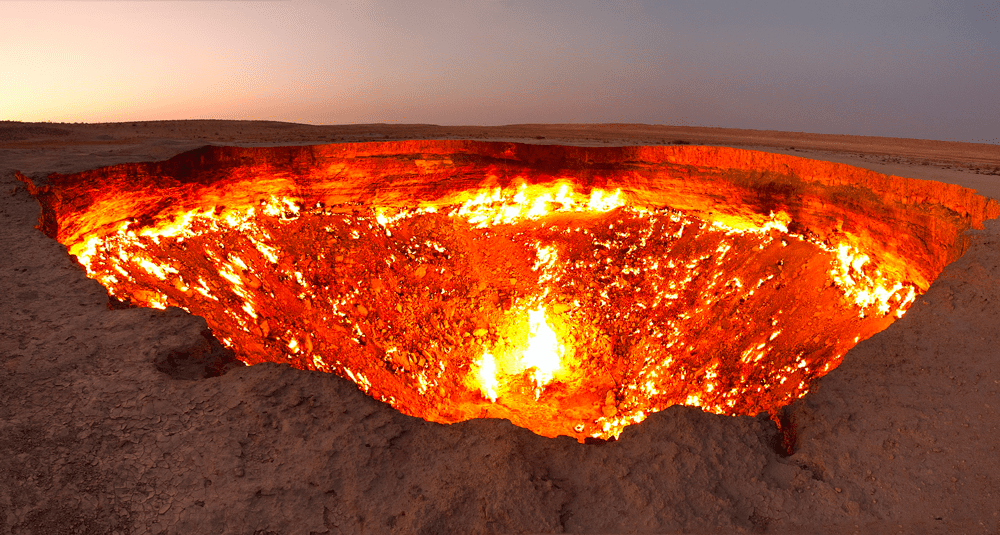
Where is the Darvaza gas crater located?
1Turkmenistan
2Uzbekistan
🙌 Good answer
The Gates of Hell is a natural gas field located in Derweze, in the Ahal province of Turkmenistan. The Hell Gate is so called because of its natural gas hearth burning continuously since it was lit by Soviet petrochemical scientists in 1971.
Next question
😞 Wrong answer
The Gates of Hell is a natural gas field located in Derweze, in the Ahal province of Turkmenistan. The Hell Gate is so called because of its natural gas hearth burning continuously since it was lit by Soviet petrochemical scientists in 1971.
Next question


