Quiz Nature
Last Updated:
IMPROVE YOUR KNOWLEDGE WITH OUR NATURE QUIZ
Are you a nature enthusiast? We offer a collection of nature quizzes to test your knowledge on various topics, such as animals, plants, ecosystems, climate, etc.
Our nature quizzes are a fun and informative way to learn more about the natural world around us. With our selection of questions on different topics, you can test your knowledge about nature and biodiversity. Do you know the animals that live in tropical forests? Can you identify the different species of birds? Can you name the different geological formations? Our nature quizzes are here to help you answer these questions and expand your knowledge of nature.
Our nature quizzes will help you discover new animals and plants, and learn about the world’s most important ecosystems. Nature quizzes are a fun way to reinforce your knowledge and discover the beauty and complexity of nature. So if you are a nature enthusiast or just curious, come test your knowledge with our nature quizzes.
nature
/ 10
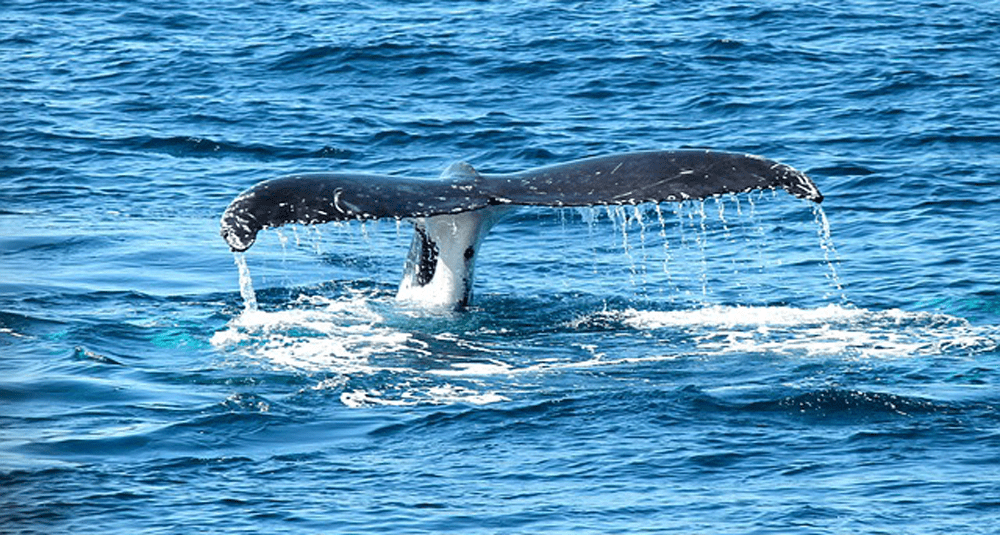
How many marine mammal species are there in the world?
1134
2234

🙌 Good answer
Biologists count 134 species of marine mammals in the world (including 5 already extinct).
Next question
😞 Wrong answer
Biologists count 134 species of marine mammals in the world (including 5 already extinct).
Next question
nature
/ 10

Which of these two conifers does not belong to the genus pinus?
1Oregon pine
2Stone pine
🙌 Good answer
Oregon pine is actually neither a pine nor a fir, but a member of the genus Pseudotsuga.
Next question
😞 Wrong answer
Oregon pine is actually neither a pine nor a fir, but a member of the genus Pseudotsuga.
Next question
nature
/ 10
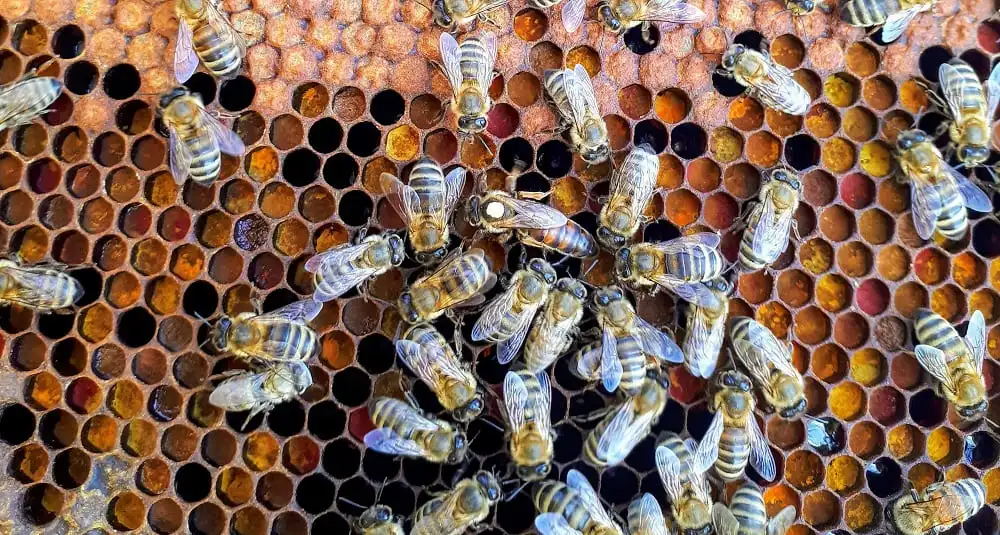
Do bees sting?
1Yes
2No
🙌 Good answer
Yes, bees sting to defend themselves. Their sting releases venom, which can cause temporary pain and a local reaction.
Next question
😞 Wrong answer
Yes, bees sting to defend themselves. Their sting releases venom, which can cause temporary pain and a local reaction.
Next question
nature
/ 10

What is the time zone conventionally used at the North Pole?
1UTC+0
2UTC+12
🙌 Good answer
The convention requires the use of the UTC+0 time zone, unlike the South Pole where the UTC+12 (New Zealand time zone) is used.
Next question
😞 Wrong answer
The convention requires the use of the UTC+0 time zone, unlike the South Pole where the UTC+12 (New Zealand time zone) is used.
Next question
nature
/ 10
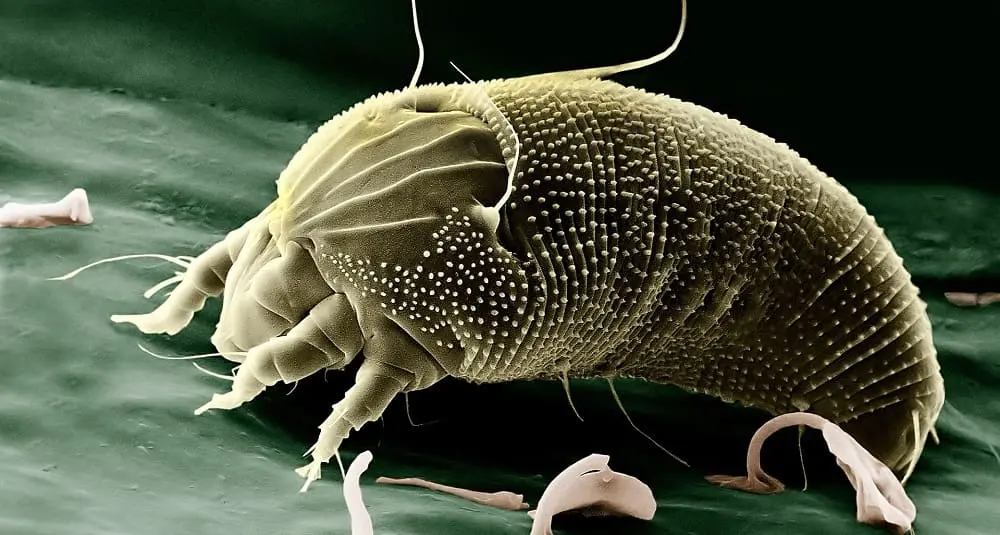
Do mites sting?
2No
1Yes
🙌 Good answer
Dust mites do not sting. Dust mites are microscopic arthropods that feed mainly on dead skin and are often responsible for allergic reactions.
Next question
😞 Wrong answer
Dust mites do not sting. Dust mites are microscopic arthropods that feed mainly on dead skin and are often responsible for allergic reactions.
Next question
nature
/ 10
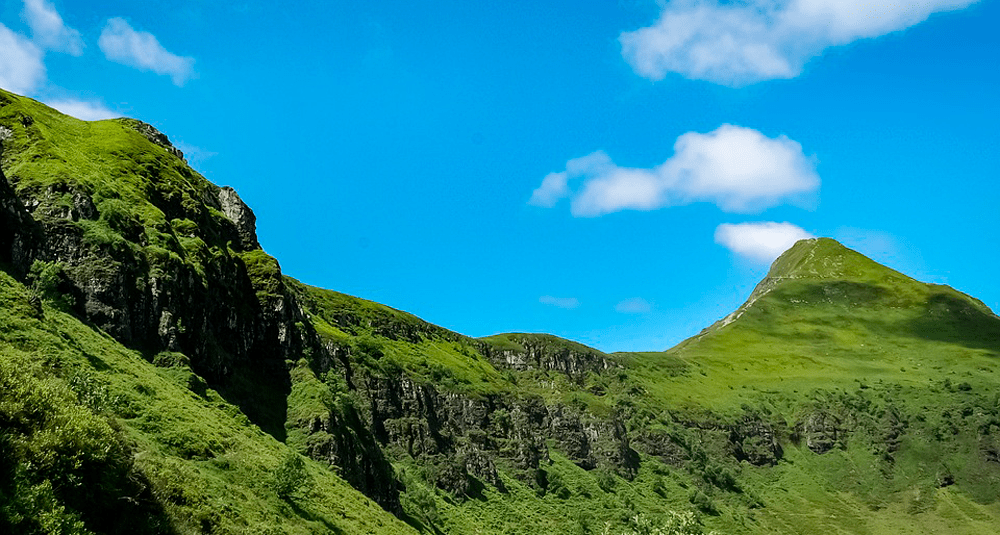
What is the largest volcano in Europe?
1Cantal
2Vosges
🙌 Good answer
The largest volcano in Europe is the Cantal with 2 700 km2 and 70 km in diameter.
Next question
😞 Wrong answer
The largest volcano in Europe is the Cantal with 2 700 km2 and 70 km in diameter.
Next question
nature
/ 10
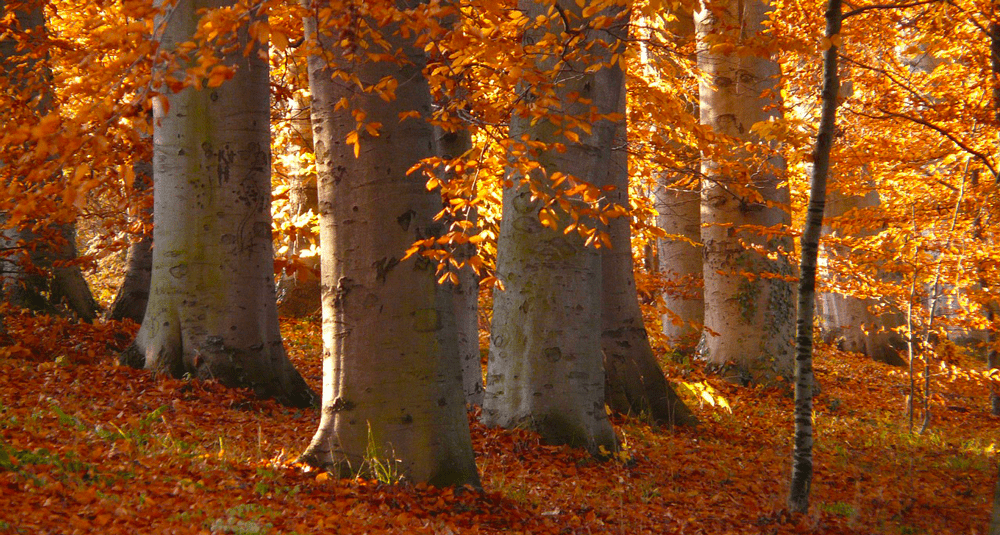
What is the fruit of the beech tree?
1The ridge
2The acorn
🙌 Good answer
The ridge is the fruit of the beech tree. The ridge is the harvesting of the beech trees, it also refers to the natural sowing of beech trees in forestry.
Next question
😞 Wrong answer
The ridge is the fruit of the beech tree. The ridge is the harvesting of the beech trees, it also refers to the natural sowing of beech trees in forestry.
Next question
nature
/ 10
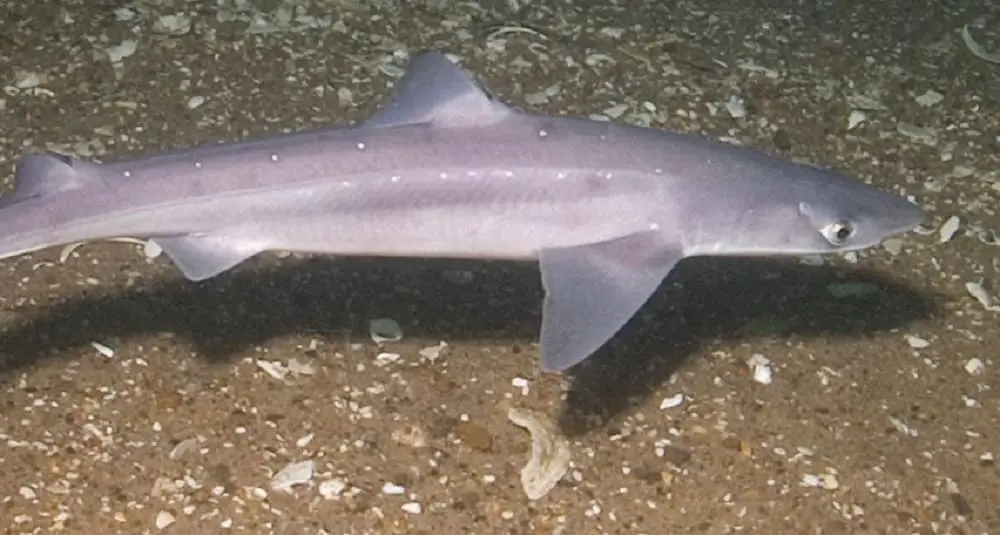
What is a spiny dogfish?
1Shark
2Tuna
🙌 Good answer
The spiny dogfish, also called dogfish, is a small shark belonging to the shark family.
Next question
😞 Wrong answer
The spiny dogfish, also called dogfish, is a small shark belonging to the shark family.
Next question
nature
/ 10
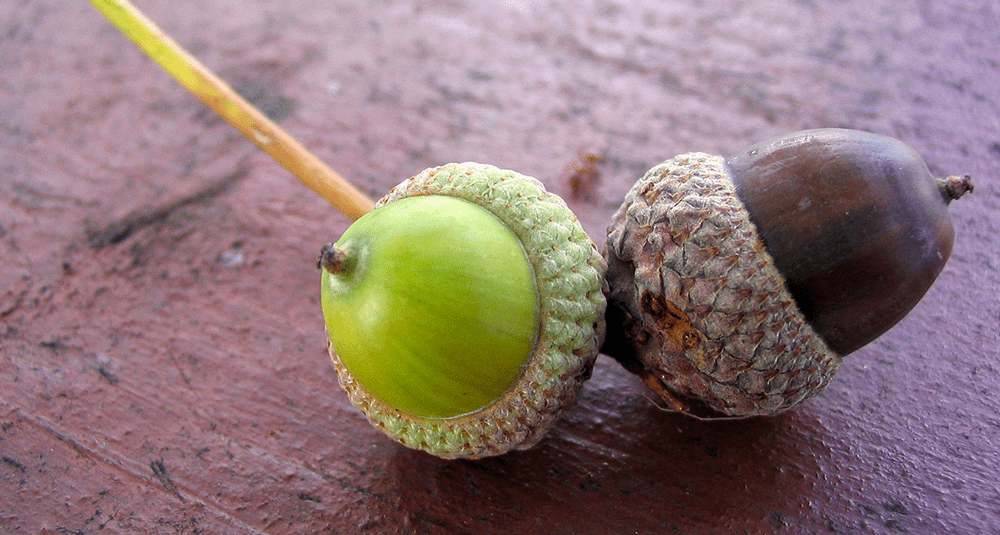
From which deciduous tree is the acorn the fruit?
1The oak tree
2The beech tree
🙌 Good answer
The acorn is the fruit of the deciduous oak tree. Oaks are widespread in many parts of the world, and their acorns are essential to the tree's reproduction.
Next question
😞 Wrong answer
The acorn is the fruit of the deciduous oak tree. Oaks are widespread in many parts of the world, and their acorns are essential to the tree's reproduction.
Next question
nature
/ 10
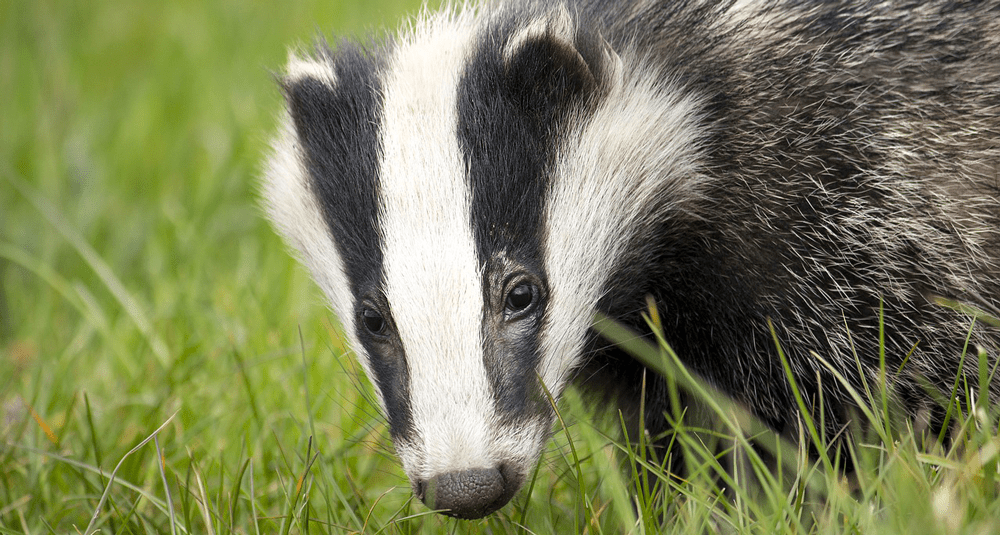
What is the largest mammal of the mustelidae family in Europe?
2The European badger
1The Beaver
🙌 Good answer
Europe's largest mammal of the mustelid family is the European badger. It can weigh up to 20 kg and is known for its nocturnal habits.
Next question
😞 Wrong answer
Europe's largest mammal of the mustelid family is the European badger. It can weigh up to 20 kg and is known for its nocturnal habits.
Next question


